

In short
- A private label product is made by the manufacturer and sold under the customer's brand; the brand owner is responsible for the label as published.
- A private label project at MADESA runs in six steps: brief, recipe and specification, samples, label, first production run, and repeat orders under change control.
- The fastest route is an existing recipe, because its heat process, pH targets and shelf life are already known quantities.
- For the EU market, labels must meet Regulation (EU) No 1169/2011; MADESA supplies verified label data and checks the artwork against the product.
- Private label batches pass the same controls as MADESA's own brands under ISO 22000 and ISO 9001; minimum quantities are quoted per enquiry.
On this page
What "private label" means at a preserves factory
A private label product is one that a manufacturer produces to be sold under a customer's brand, a supermarket chain, a distributor, a food-service wholesaler or an online brand. The jar, the recipe and the process come from the factory; the name on the front, and the responsibility for the information on the label, belong to the brand owner.
For sterilised vegetable preserves this is a well-established model. The products are shelf-stable, the recipes are mature, and the packaging, a glass jar with a printed label, is simple to rebrand. What is less obvious to a first-time buyer is the sequence of decisions between a first conversation and a pallet on the dock. This guide walks through it as it works at MADESA.
Step 1: the brief
Everything starts with a short written brief. The useful version answers six questions:
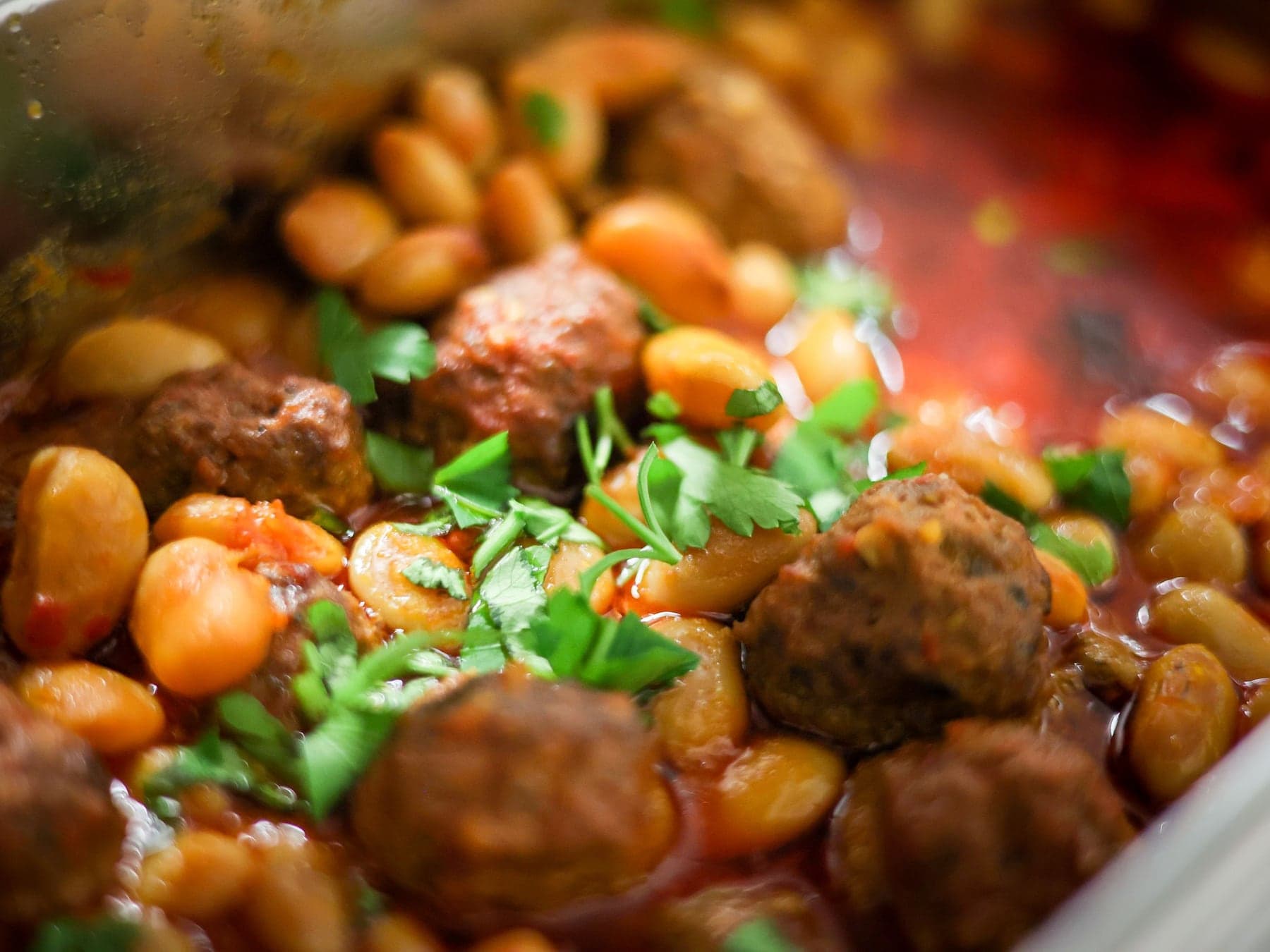
- Which products, and in which category, sauces, pickles, ready vegetable dishes, beans, ikra and adjika, jam?
- Which pack formats: glass jars from 480 g to 3 kg, or the 5 kg pail for food service?
- Which market, and which language or languages on the label?
- Is the recipe to be one of ours as it stands, a variant (less sugar, no garlic, a different spice profile), or a recipe you bring?
- What volumes do you expect per product per year, and in what delivery rhythm?
- What documentation do your own quality or import procedures require?
The brief is not a contract; it is what lets the factory say quickly whether the request is a good fit. How we approach such projects is described on our private label page.
Step 2: recipe and specification
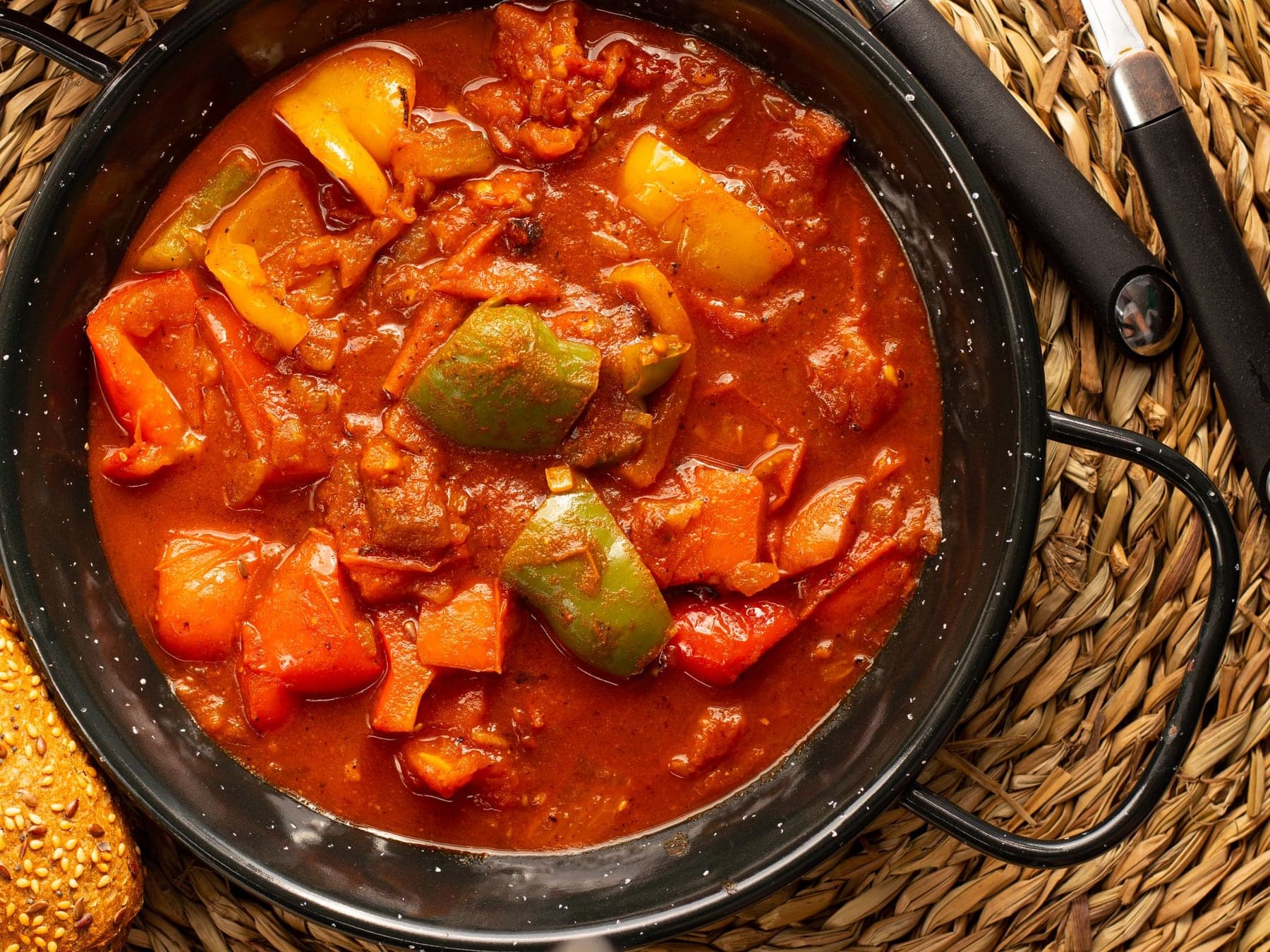
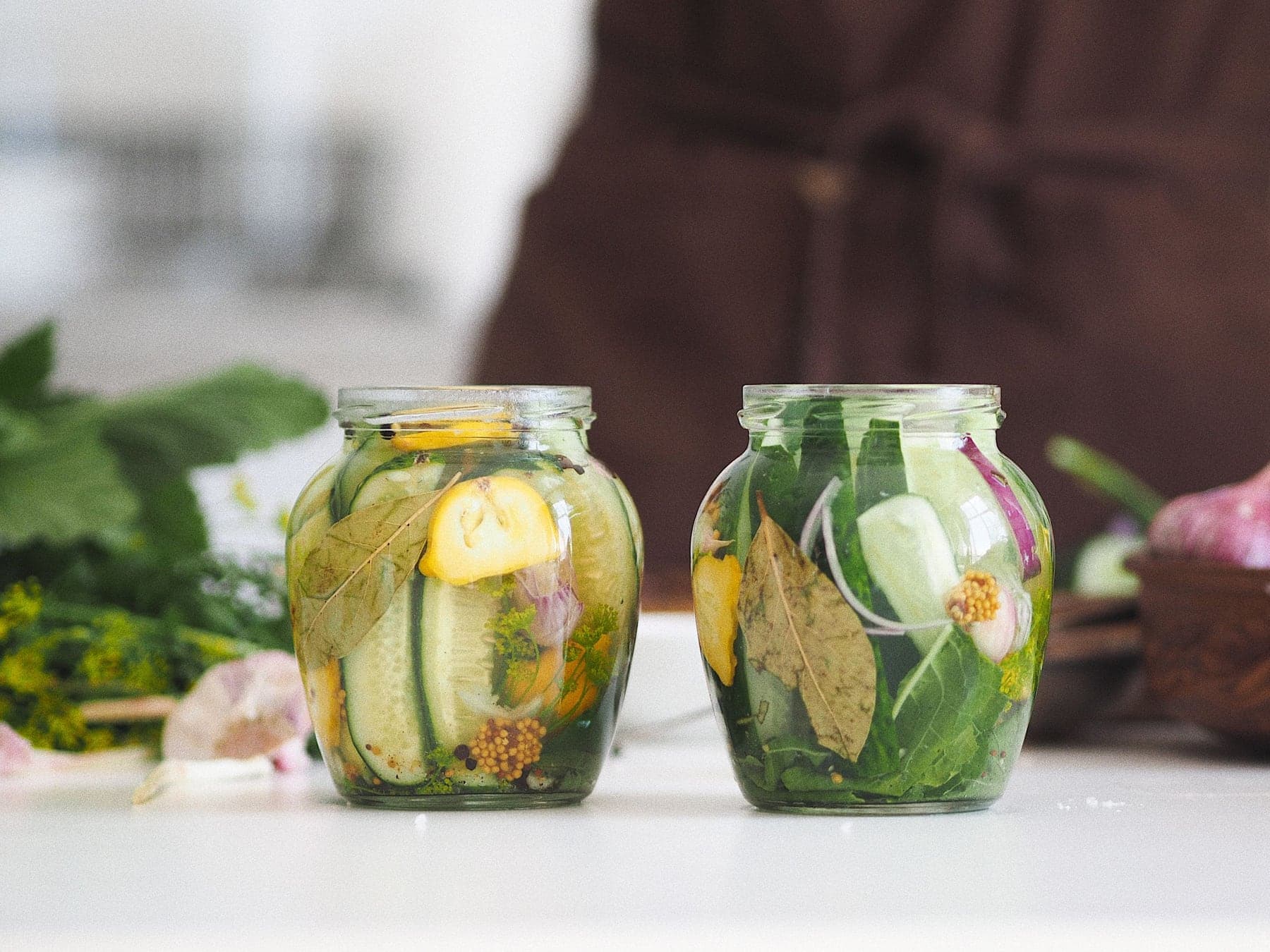
For most private label projects the fastest route is an existing recipe. Our tomato sauces, lecho, adjika and pickles are already in production, already validated for sterilisation and already documented. Putting a new label on an existing product means the heat process, the pH targets and the shelf life are known quantities.
A variant recipe, the same base with an adjusted sweetness, heat level or herb profile, is usually feasible but goes through a shorter version of product development: trial batches, tasting, and confirmation that the acidity still supports the sterilisation process. A wholly new recipe takes longer and is treated as a development project with its own timeline.
Whichever route, the output is a product specification: ingredients with percentages, physical and chemical parameters, allergens, shelf life, storage conditions and pack data. This document is the reference for every later step.
Step 3: samples
Before anything is printed, you receive samples from a trial or current production batch, with the draft specification. This is the moment to involve your own tasting panel, your quality department and, if you sell to retail, the buyer who will list the product. Changes are cheap now and expensive after labels are printed.
Step 4: the label
Label compliance is where private label projects most often slow down, so it pays to start early. For the EU market, Regulation (EU) No 1169/2011 sets the mandatory particulars: the name of the food, the ingredient list with allergens emphasised, the quantity of highlighted ingredients, net quantity, date of minimum durability, storage conditions, the name and address of the food business operator responsible for the information, the nutrition declaration, and country of origin where its omission would mislead. The Ukrainian law on consumer food information follows the same structure for the domestic market.
Our role is to supply the verified data, the ingredient list in the required order, allergen information, nutrition values, lot coding, storage conditions, and to check the artwork against the product. Your role, as brand owner, is the design and the legal responsibility for the label as published. We also raise origin questions openly: our tomato paste, for example, is made in Chyhyryn from Turkish tomato raw material, and a label that says "Made in Ukraine" may need to state the origin of the primary ingredient under Implementing Regulation (EU) 2018/775.
Step 5: the first production run
Once artwork is approved and labels are delivered, the first run is scheduled. Private label batches go through the same process as our own brands: incoming raw-material checks, the validated sterilisation regime, in-process controls and finished-product testing under our ISO 22000 and ISO 9001 systems. There is no separate "private label line" with lighter controls; the only thing that changes is the label.
You receive, with the goods, the documentation agreed in the brief, typically a certificate of analysis for the batch, the specification, and copies of our management-system certificates.
Step 6: repeat orders and change control
A private label relationship is a series of repeat runs, and the quality question becomes consistency. Two mechanisms keep it: the specification, which does not change without written agreement on both sides, and the quality management system, which records every deviation and corrective action. If you want to change a recipe, a pack size or a label element, the change goes back through steps 2–4 in proportion to its size.
What we do not promise
Honest private label manufacturing also means being clear about limits:
- We do not publish minimum order quantities or capacities on this page; they depend on the product and the season, and we quote them per enquiry.
- We do not offer certifications we do not hold. Our site certifications are ISO 22000 and ISO 9001; if your listing requires something else, ask us before the project starts rather than after.
- We do not take responsibility for label claims we cannot substantiate. "Natural", "farm", "organic" and similar words are yours to justify, and we will say so if a requested claim does not match the product.
Getting started
If you are considering a private label range of sterilised vegetable preserves, send us the six answers from the brief above through the request a quote form, or start with our product catalogue to see which recipes already exist. The sooner the label and documentation questions are on the table, the shorter the road from brief to shelf.
Frequently asked questions
Can I put my own label on an existing MADESA product?
Yes, and it is usually the fastest route. Recipes already in production, such as tomato sauces, lecho, adjika and pickles, are validated for sterilisation and documented, so only the label changes.
Who is responsible for the label on a private label product?
The brand owner holds the legal responsibility for the label as published, and for its design. The manufacturer supplies verified data, including the ingredient list, allergens, nutrition values, lot coding and storage conditions, and checks the artwork against the product.
Can a recipe be adapted for my brand?
Usually, yes. A variant with different sweetness, heat or herbs goes through trial batches, tasting and confirmation that the acidity still supports the sterilisation process. A wholly new recipe is a separate development project with its own timeline.
What documents come with a private label delivery?
Those agreed in the brief. Typically that means a certificate of analysis for the batch, the product specification and copies of the ISO 22000 and ISO 9001 certificates.
Does MADESA publish minimum order quantities for private label?
No. Minimum quantities and capacities depend on the product and the season, so they are quoted in reply to each enquiry.