Skip to content

Quality and certificates

Food safety to ISO 22000:2018 and quality management to ISO 9001:2015, certified by Ukrsertyfikatsiia and valid until 23 September 2027. The numbers, the scope and the PDFs are here to check.

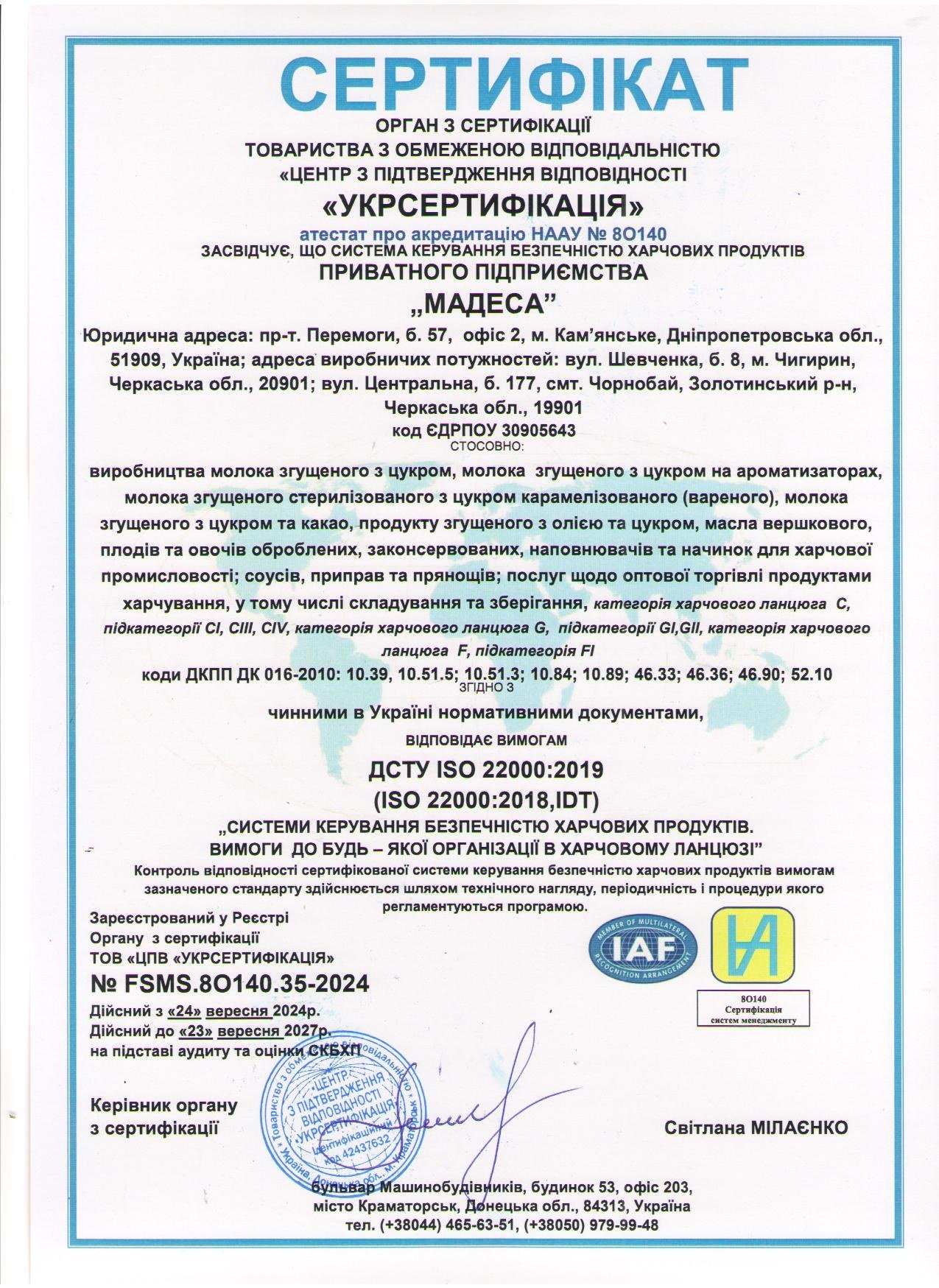
ISO 22000: Food Safety Management System
View certificate · FSMS.8O140.35-2024

ISO 22000

Food Safety Management System

DSTU ISO 22000:2019 (ISO 22000:2018, IDT)

Certificate No.
FSMS.8O140.35-2024
Validity
24.09.2024 – 23.09.2027
Certification body
Certification body of Conformity Assessment Centre “Ukrsertyfikatsiia” LLC
Accredited by NAAU (National Accreditation Agency of Ukraine), certificate No. 8O140; IAF MLA signatory
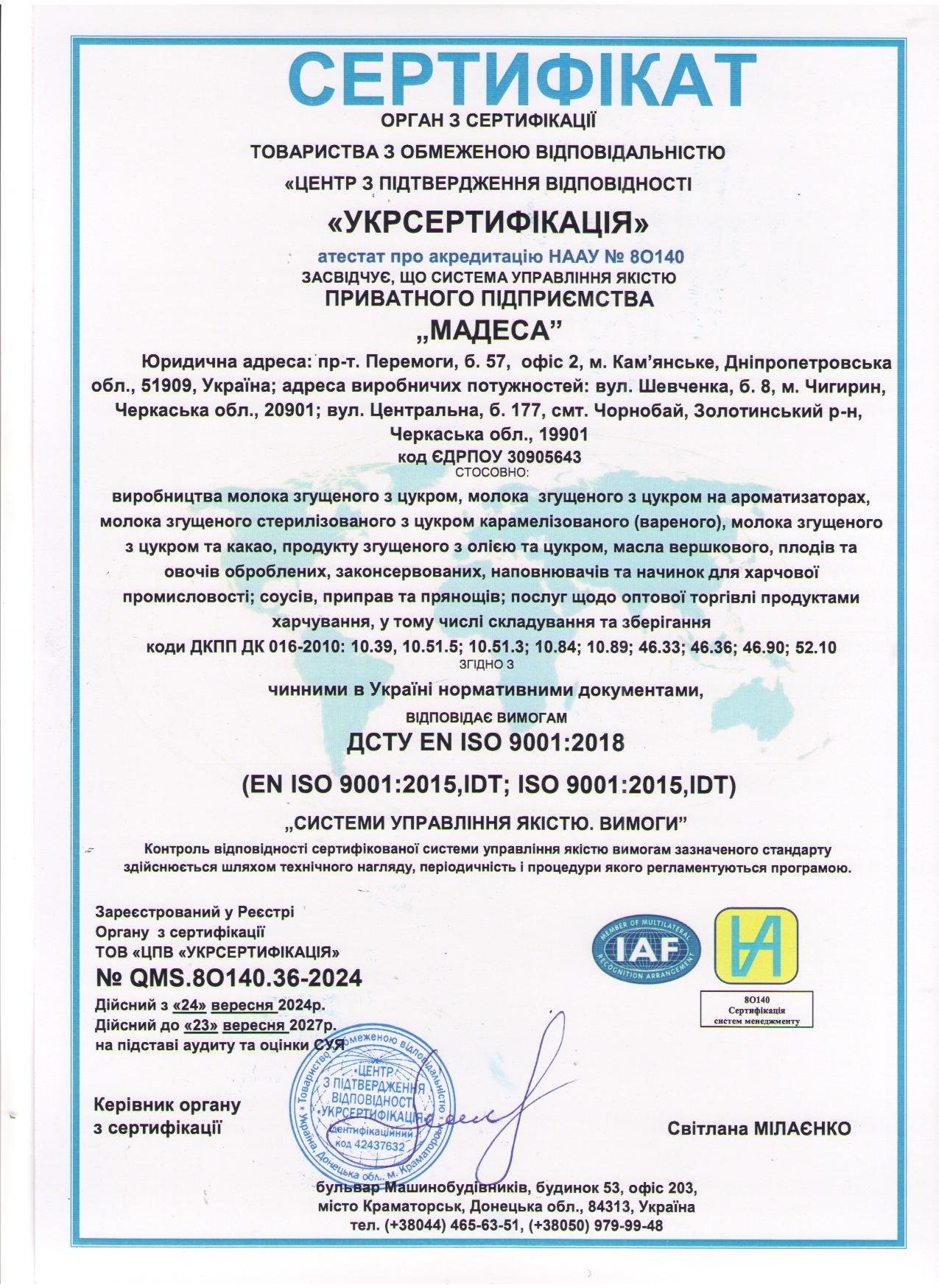
ISO 9001: Quality Management System
View certificate · QMS.8O140.36-2024

ISO 9001

Quality Management System

DSTU EN ISO 9001:2018 (EN ISO 9001:2015, IDT; ISO 9001:2015, IDT)

Certificate No.
QMS.8O140.36-2024
Validity
24.09.2024 – 23.09.2027
Certification body
Certification body of Conformity Assessment Centre “Ukrsertyfikatsiia” LLC
Accredited by NAAU (National Accreditation Agency of Ukraine), certificate No. 8O140; IAF MLA signatory

Scope

Manufacture of sweetened condensed milk, flavoured sweetened condensed milk, sterilised caramelised (boiled) sweetened condensed milk, sweetened condensed milk with cocoa, condensed product with vegetable oil and sugar, butter, processed and preserved fruit and vegetables, fillings and fillers for the food industry; sauces, condiments and spices; wholesale trade in food products, including warehousing and storage.

Continued conformity is verified through scheduled surveillance audits.

Two management systems

Our food safety management system is certified to DSTU ISO 22000:2019 (ISO 22000:2018, IDT), certificate № FSMS.8O140.35-2024. Our quality management system is certified to DSTU EN ISO 9001:2018 (ISO 9001:2015, IDT), certificate № QMS.8O140.36-2024. Both were issued on 24 September 2024 and are valid until 23 September 2027.

The scope covers the manufacture of condensed milk products and butter, processed and preserved fruit and vegetables, fillings for the food industry, sauces, condiments and spices, and wholesale trade in food including warehousing and storage. Both production sites, Chyhyryn and Chornobai, are named in the scope.

ISO 22000 builds on HACCP principles: hazards are identified, critical control points are set, and each is monitored and recorded. ISO 9001 adds the management layer, documented procedures, responsibilities, corrective action and review.

Who certifies, and how it is checked

Both certificates were issued by the certification body of Conformity Assessment Centre “Ukrsertyfikatsiia” LLC, accredited by the National Accreditation Agency of Ukraine (NAAU) under certificate № 8O140. NAAU is a signatory to the IAF Multilateral Recognition Arrangement, which is what lets a certificate issued in Ukraine be read at face value by a buyer in another country.

Certification is not a one-off: the systems are re-checked during the three-year cycle, and the certificates can be verified with the body that issued them. Scans and PDFs of both documents are on this page.

Traceability

Every lot of raw material is recorded at intake with its supplier and date. The batch number on the jar links back to that record, to the process log of the day, including the sterilisation time and temperature, and to the inspection results on the finished product.

If you need to trace a jar, the batch number is enough. Batch documentation for a shipment is provided on request.

Labelling

Labels state what is in the jar in descending order, the net weight, the standard the product is made to (DSTU or TU), the shelf life, the storage conditions and the production site. Allergens present in a recipe, wheat flour in the two ikra products, for example, are shown on the product pages as well as on the label.

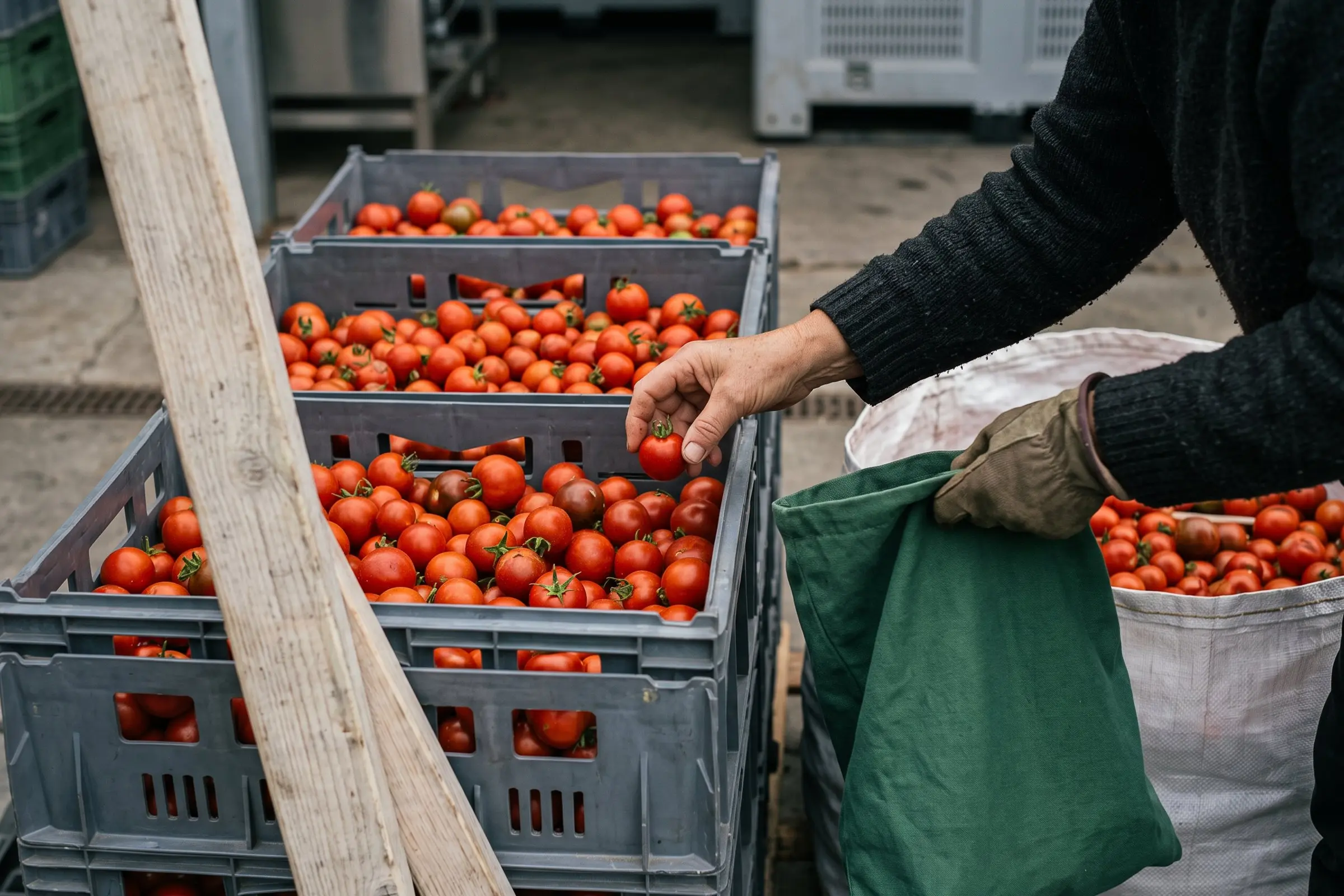
Where a product contains an additive, it is named. Where an ingredient comes from outside Ukraine, as with the tomato raw material for our paste and the olives, the label says so. Label texts are available in Ukrainian and English for buyers who need them for their own markets.

Preservatives: where we stand

In 24 of 27 products, sterilisation alone keeps the product safe, with no added preservatives. Where a preservative is used, it is listed in that product’s ingredients.

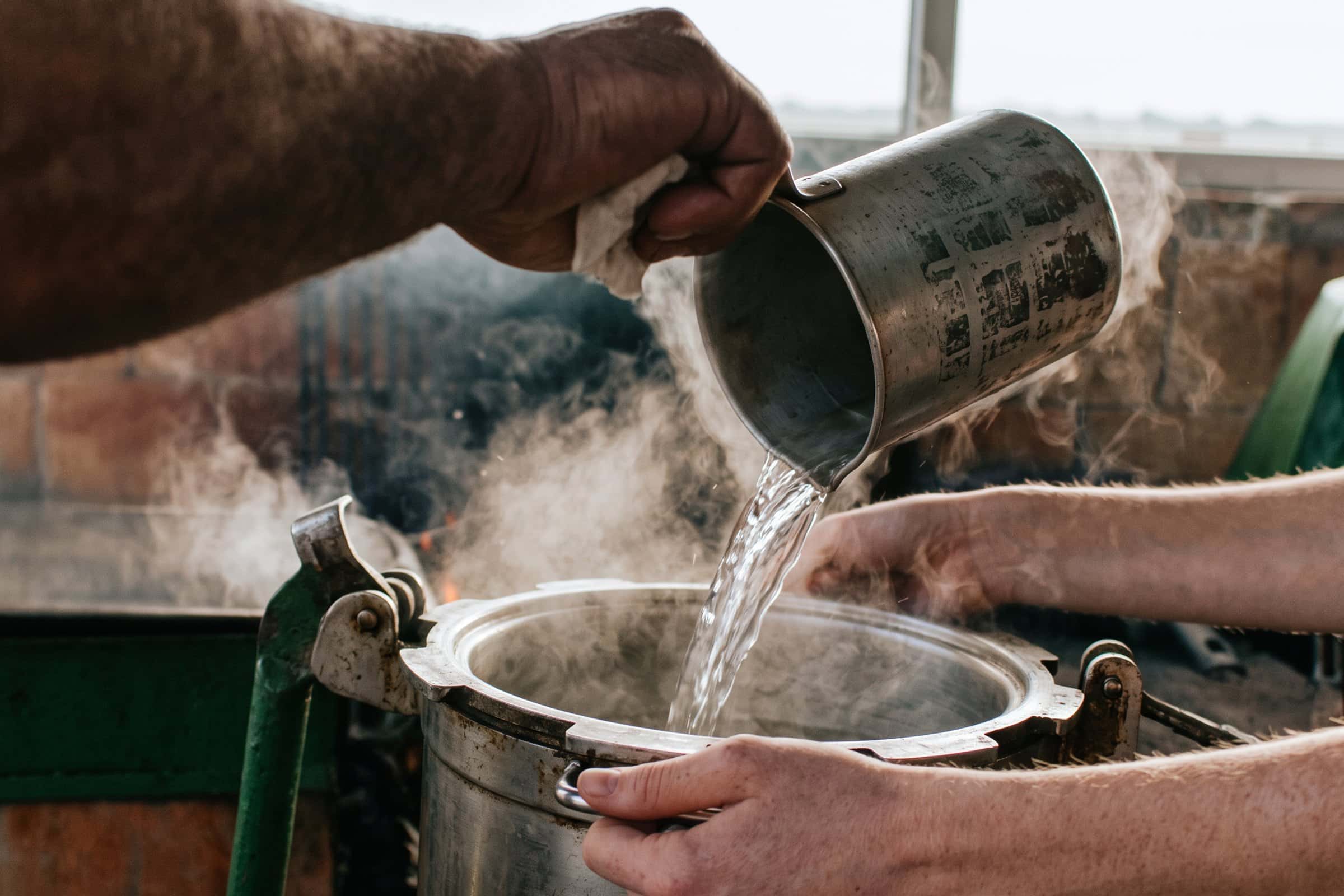
Shelf life comes from sterilisation in a sealed glass jar, heat above 100 °C, and from recipes that rely on salt, sugar, and acetic or citric acid where the product calls for it.

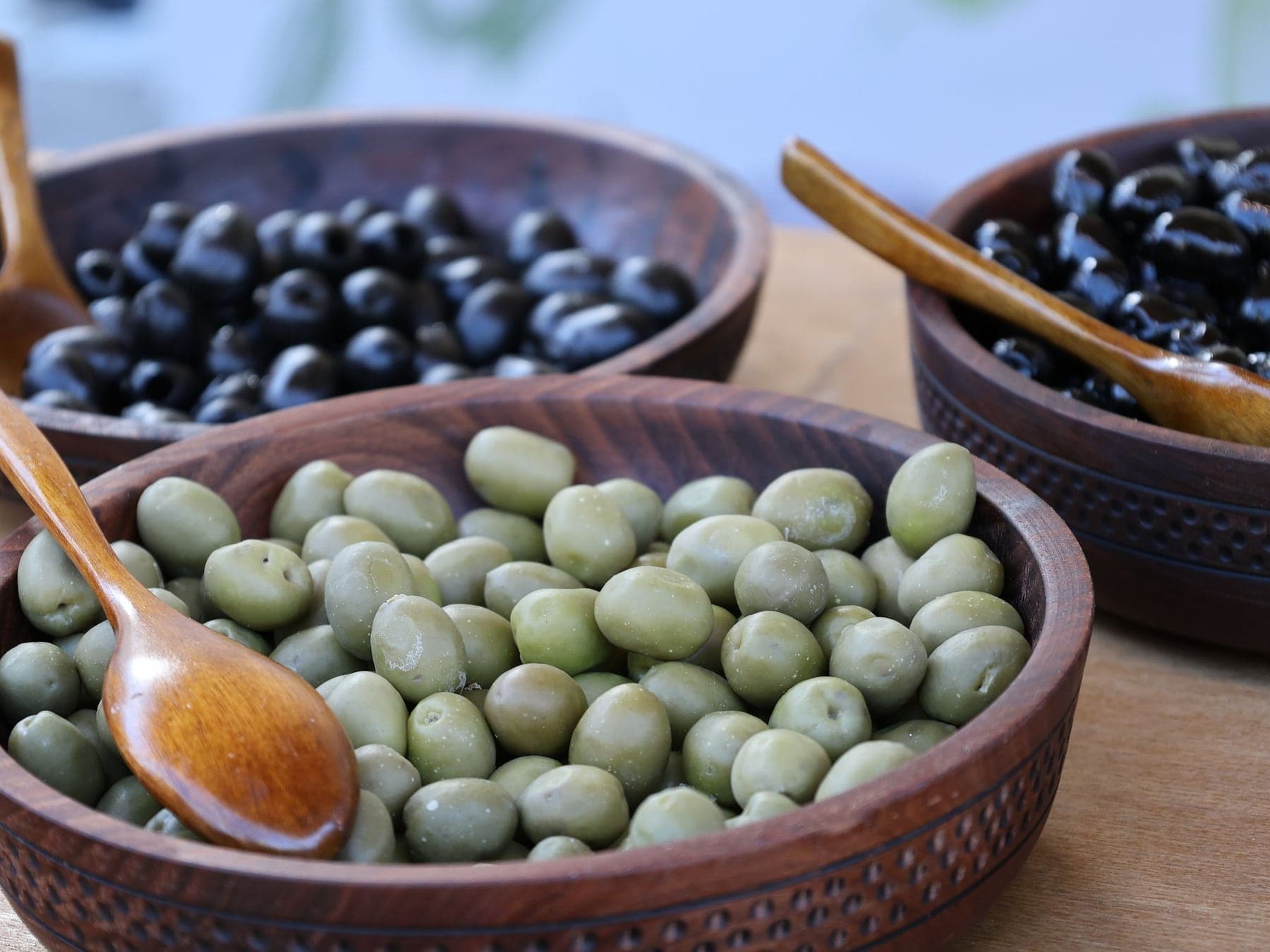
Three products are different, and we say so: the 5 kg pasteurised tomato paste contains ascorbic acid; the pitted black and green olives, made in Türkiye and packed in Chyhyryn, contain potassium sorbate. The words “no added preservatives” appear only on the product pages where they are true, never for the range as a whole.

  • 24 of 27 productsare made with no added preservatives: keeping quality comes from sterilisation.
  • Above 100 °Csterilisation in a hermetically sealed jar: that is where the shelf life comes from.
  • 3 exceptionsnamed on the label and the product page: the 5 kg paste and the two olives.

Allergens

Declared per product, from the ingredient list

Each product page lists its allergens as they follow from the recipe on the label: wheat flour means gluten, and so on. Where a recipe contains none of the regulated allergens, the page says so. Label texts in Ukrainian and English are available on request for your own compliance check.

Open the catalogue

What we can provide

  • Product specifications for each of the 27 products: ingredients, net weight, standard, shelf life, storage conditions, allergens.
  • ISO 22000:2018 and ISO 9001:2015 certificates as PDF, with numbers that can be verified with the certification body.
  • Batch documentation and declarations for each shipment, as applicable to the product and destination.
  • Label texts in Ukrainian and English.
  • Samples on request.