

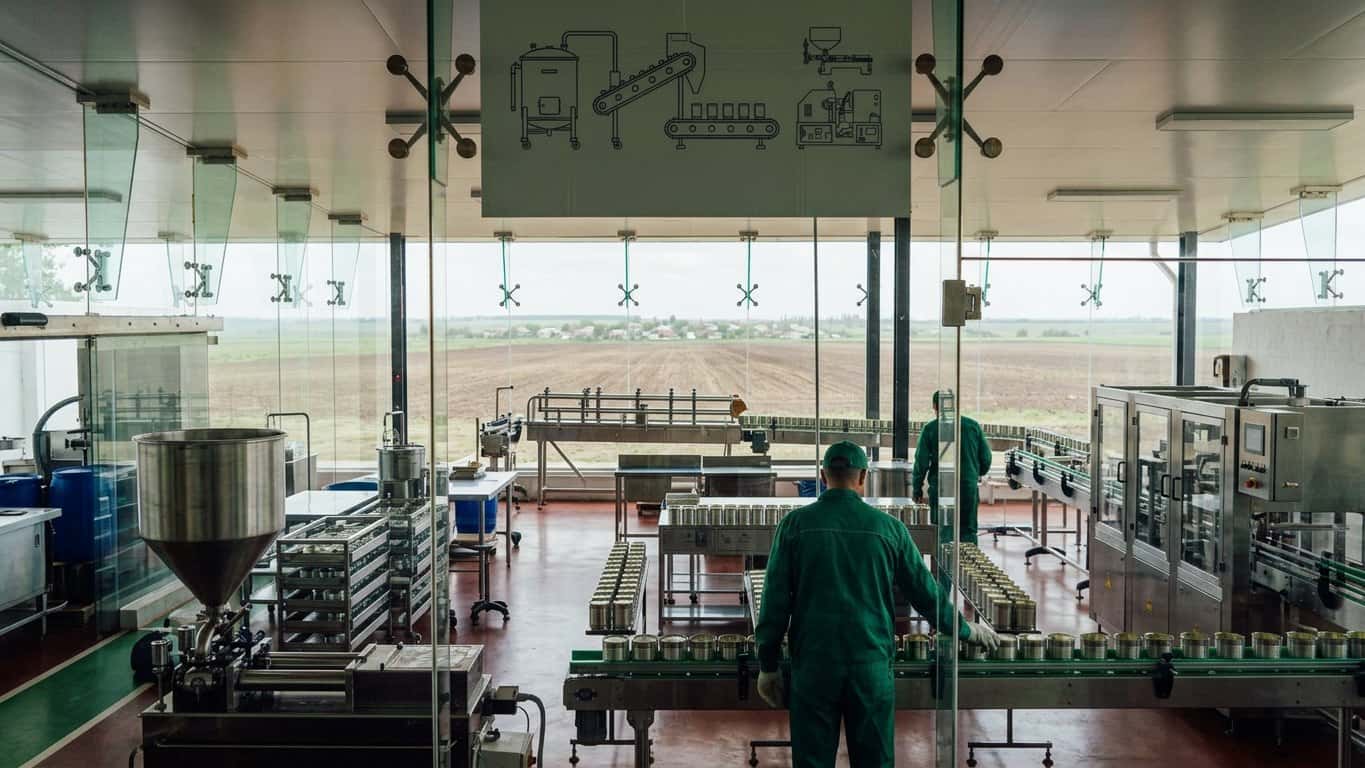
Production in Chyhyryn and Chornobai
Two sites in Cherkasy Oblast, both within our ISO 22000 and ISO 9001 scope. From the crate to a sealed, sterilised jar on a pallet.
Preserving vegetables in glass is a sequence of plain steps, each with a point of control. Raw material is accepted or refused at the gate. Weights, fill levels and seals are checked on the line. Sterilisation is run to a set regime and recorded. Nothing leaves the site without a batch record.
The steps below describe the route of a vegetable preserve at the Chyhyryn site, in the order it happens. There are no secrets in the method; the discipline is in doing every step the same way, batch after batch.

- 01
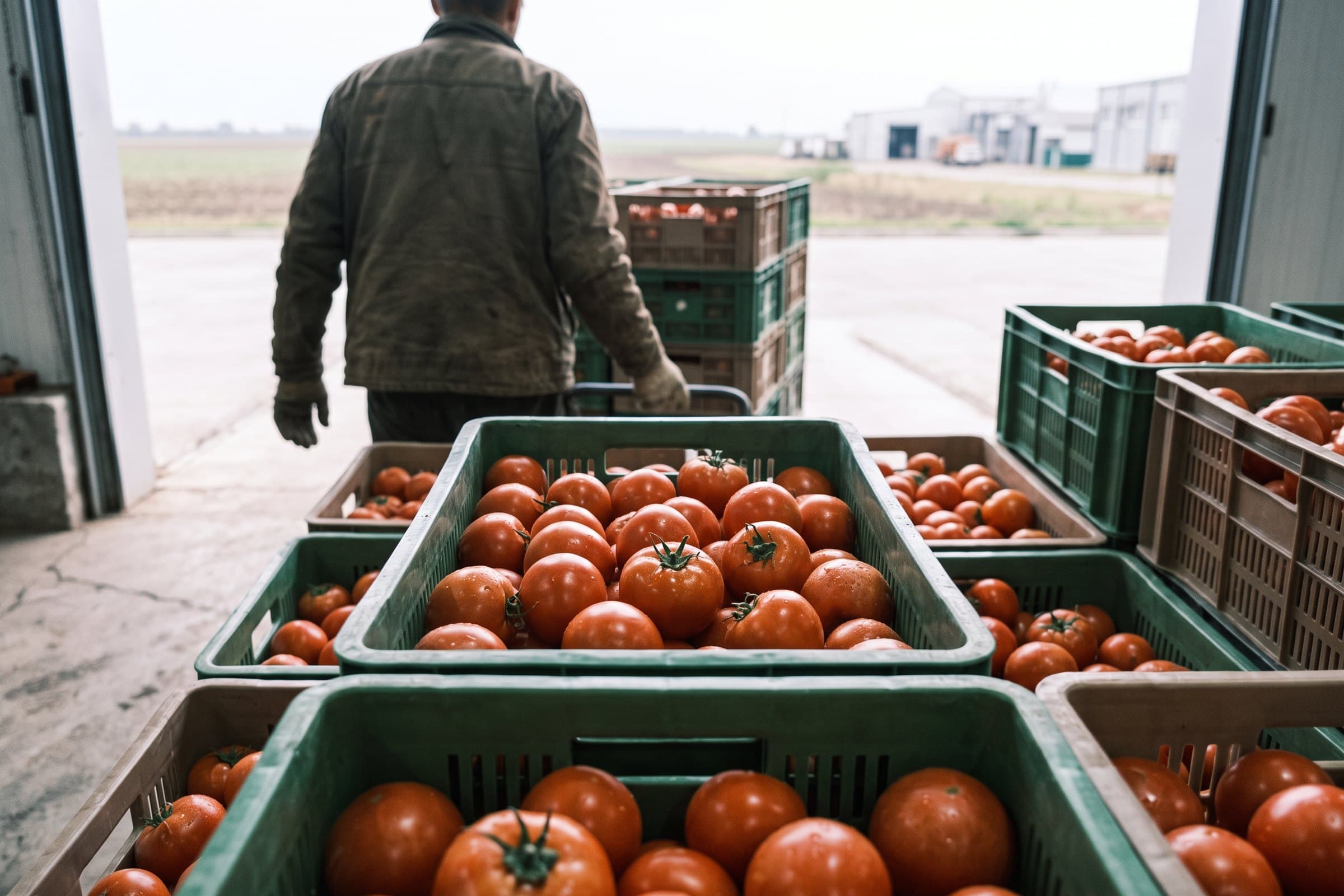
Intake and sorting
Vegetables arrive in crates and are inspected before they are accepted: variety, ripeness, damage, foreign matter. Each lot is recorded with its supplier and date, which is where traceability begins. Raw material that does not meet the specification is refused at this point.
- 02
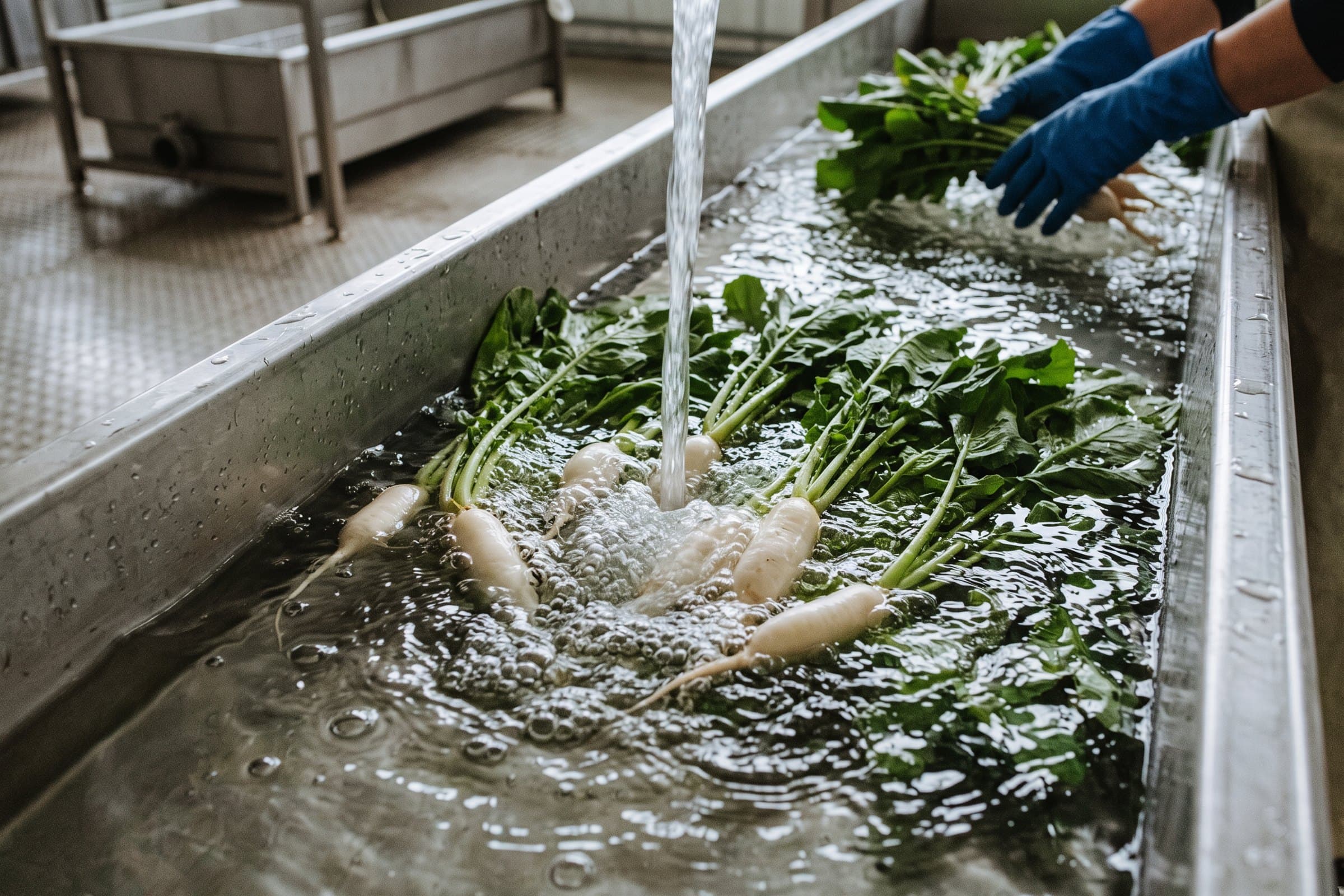
Washing
Accepted vegetables are washed in several stages to remove soil, dust and anything the field left behind. The water is changed and controlled; the goal is a clean surface before any cut is made. Stems, stalks and damaged pieces are picked out on the way through.
- 03
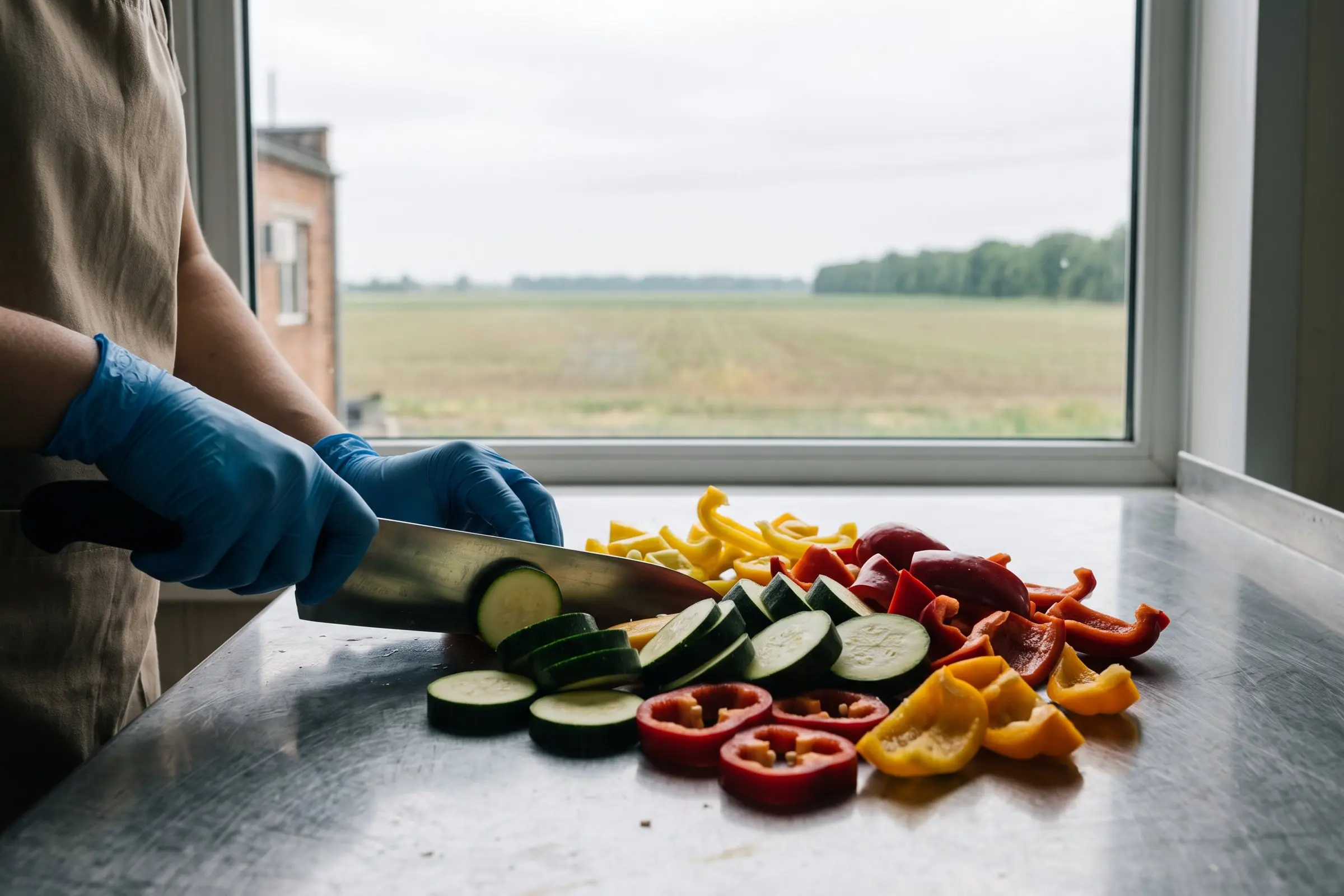
Cutting and preparation
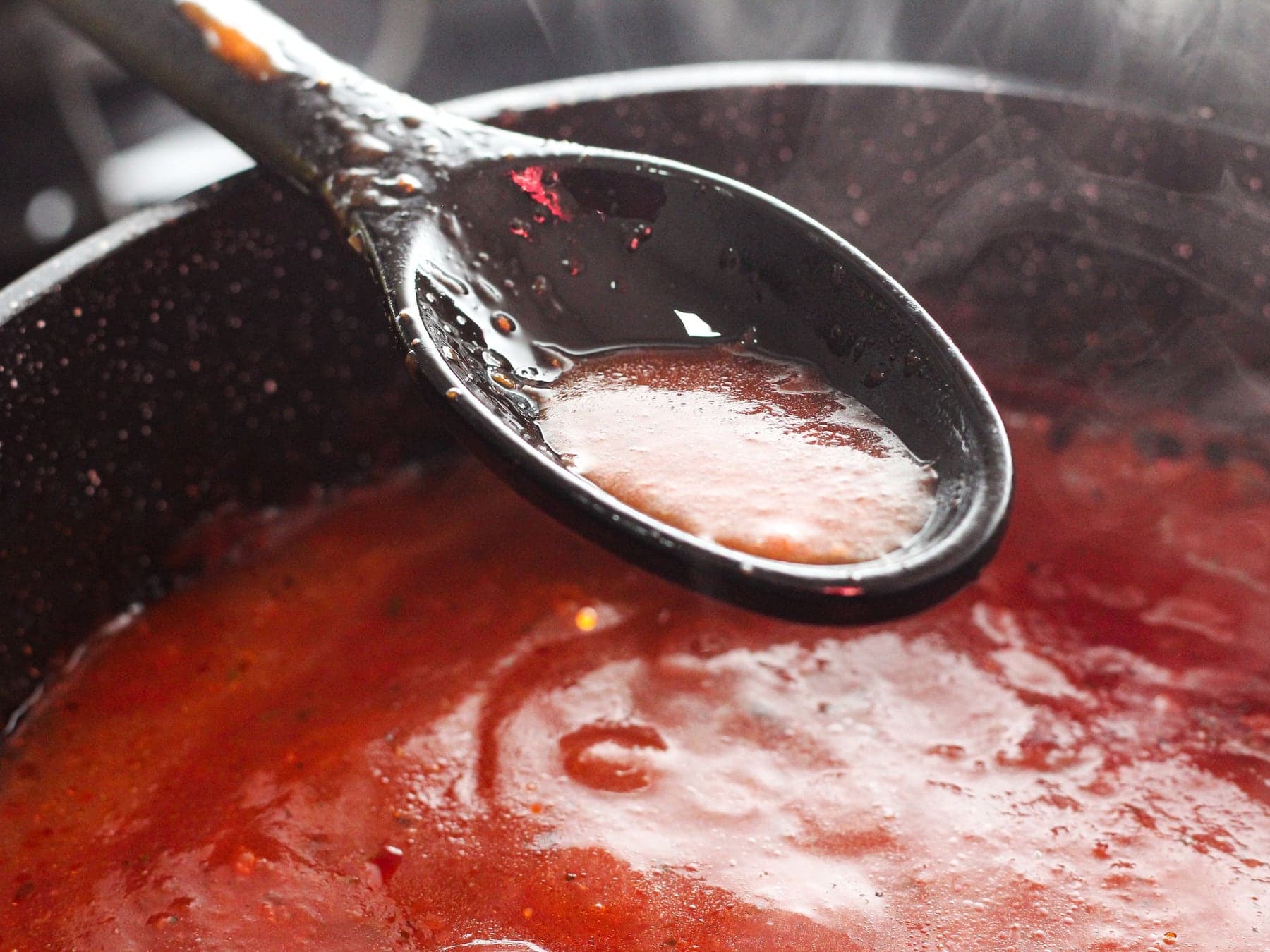
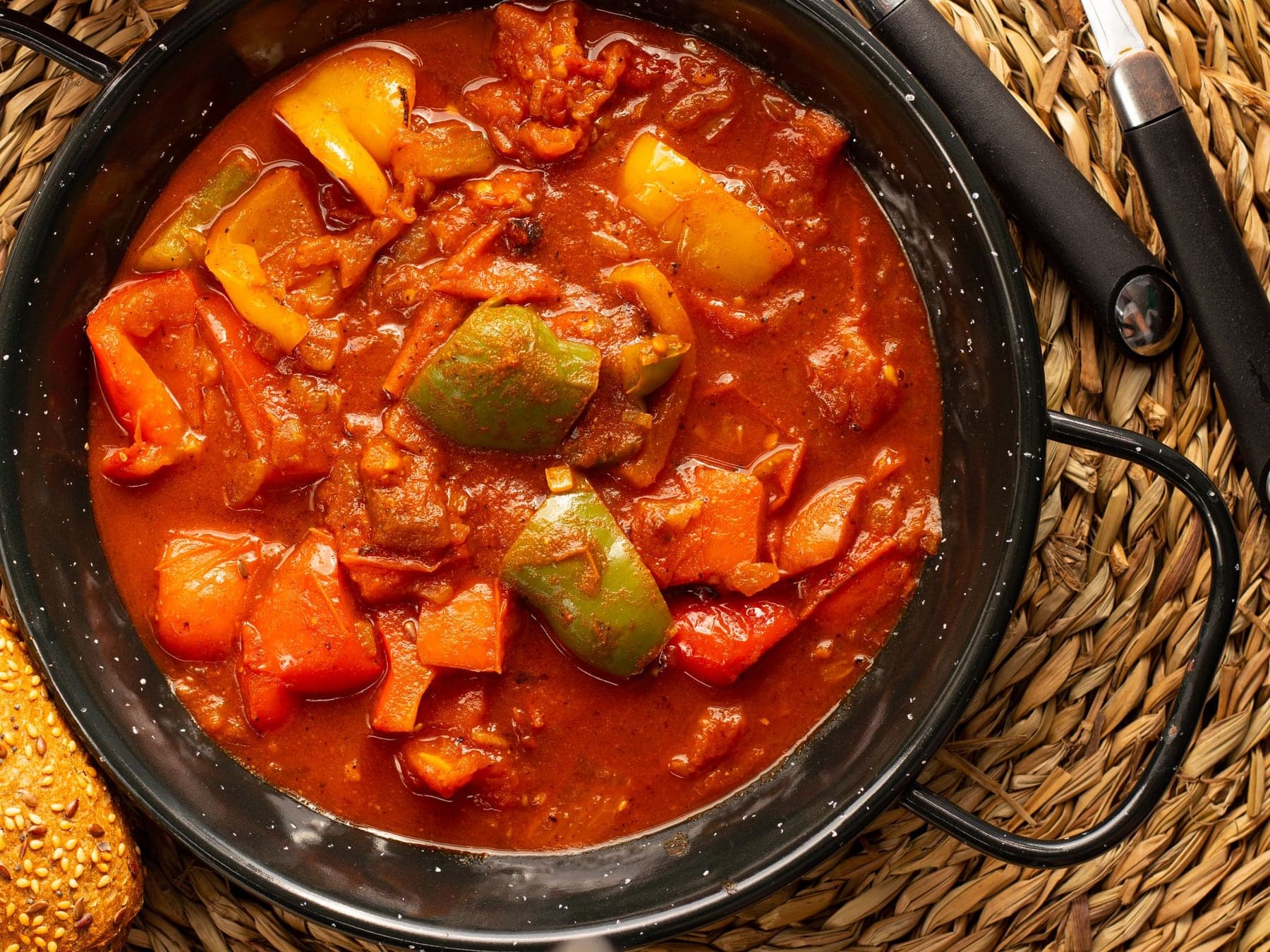
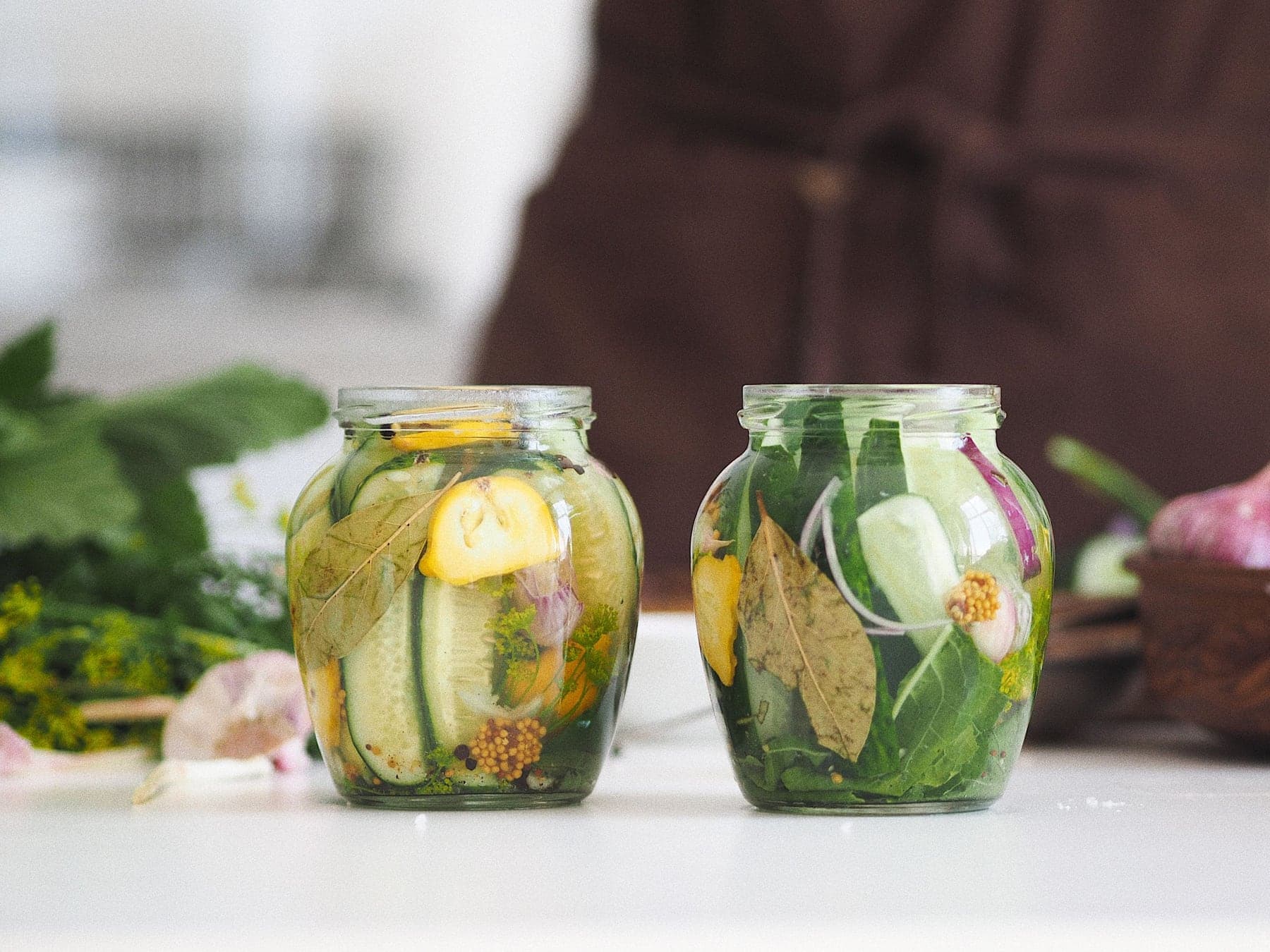
Each product has its own cut: whole gherkins and tomatoes for the 3 kg jars, slices for courgettes, dice and strips for lecho, sauté and ikra. Sauces, ikra and adjika are cooked to the recipe at this stage. Weighing here fixes the proportions that will later appear on the label.
- 04
Filling
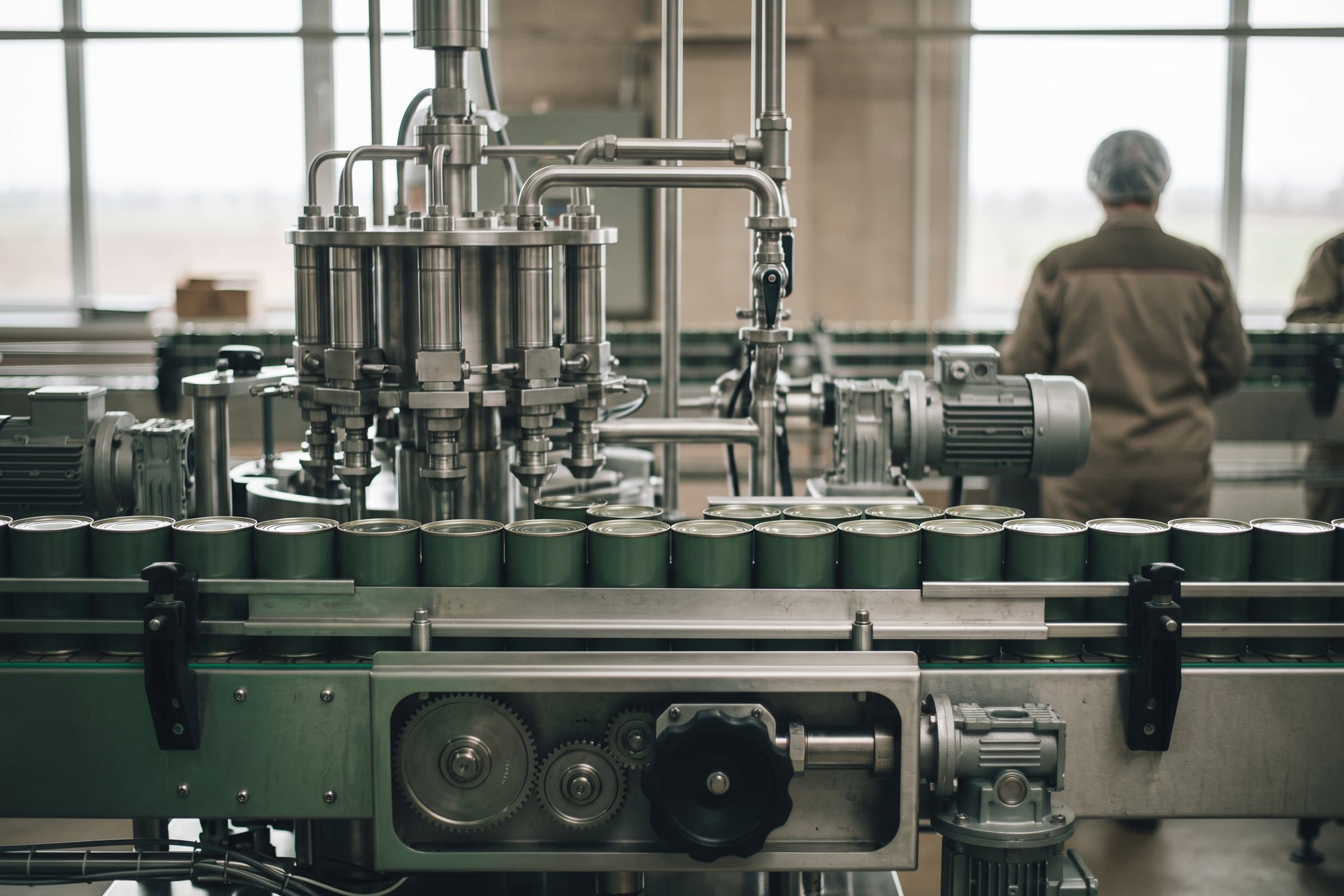
Jars are filled on the line, vegetables first, then brine, marinade or sauce, to a set net weight. Fill level and headspace are checked, because both affect how the jar behaves in sterilisation. The glass goes through its own inspection and rinse before it reaches the filling machine.
- 05
Capping
Each jar is closed immediately after filling. A hermetic seal is what allows the contents to be sterilised and then kept at room temperature; seals are checked on the line and again after the heat treatment. Any jar with a doubtful closure is removed.
- 06
Sterilisation
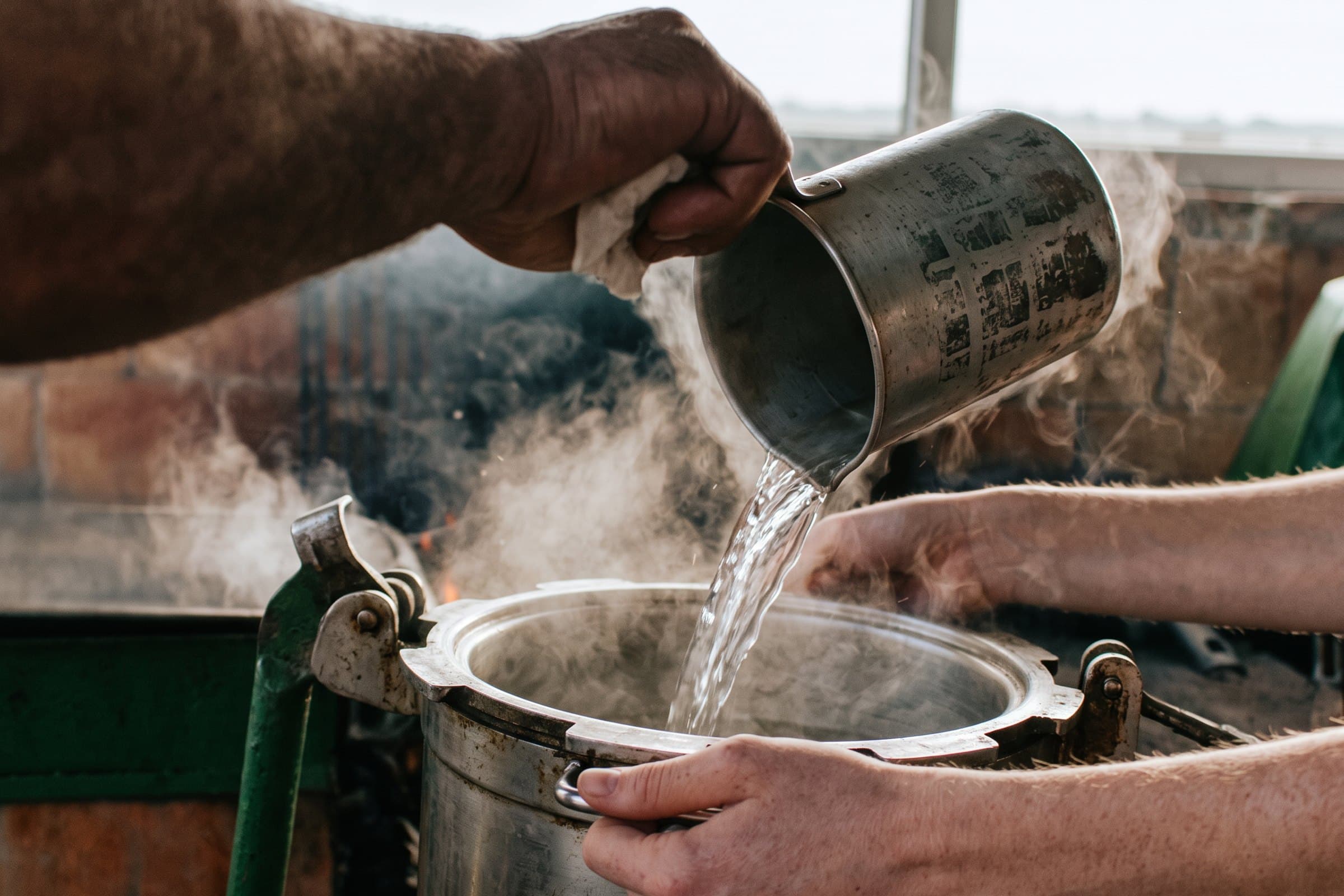
Sealed jars are heated above 100 °C for a set time, according to the regime for each product and jar size. This is what gives the product its shelf life and makes added preservatives unnecessary for most of the range. Time and temperature are recorded for every batch; the 5 kg tomato paste is pasteurised rather than sterilised, and its label says so.
- 07
Quality control
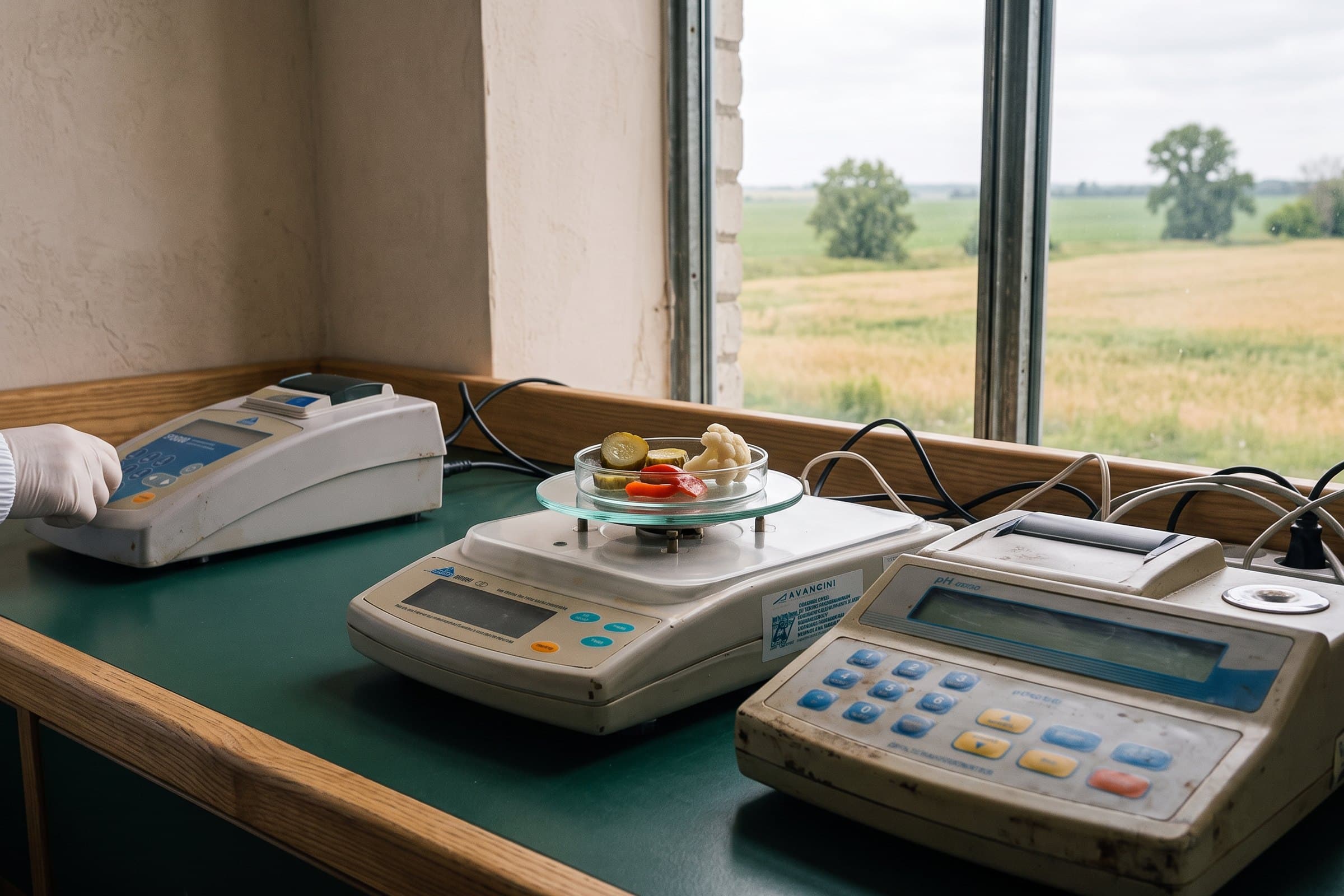
Samples from each batch are checked after sterilisation: seal, appearance, taste and the parameters set in the product specification. Finished goods are held until the checks are complete and signed off. Records of raw material, process and inspection stay with the batch number.
- 08
Storage and dispatch
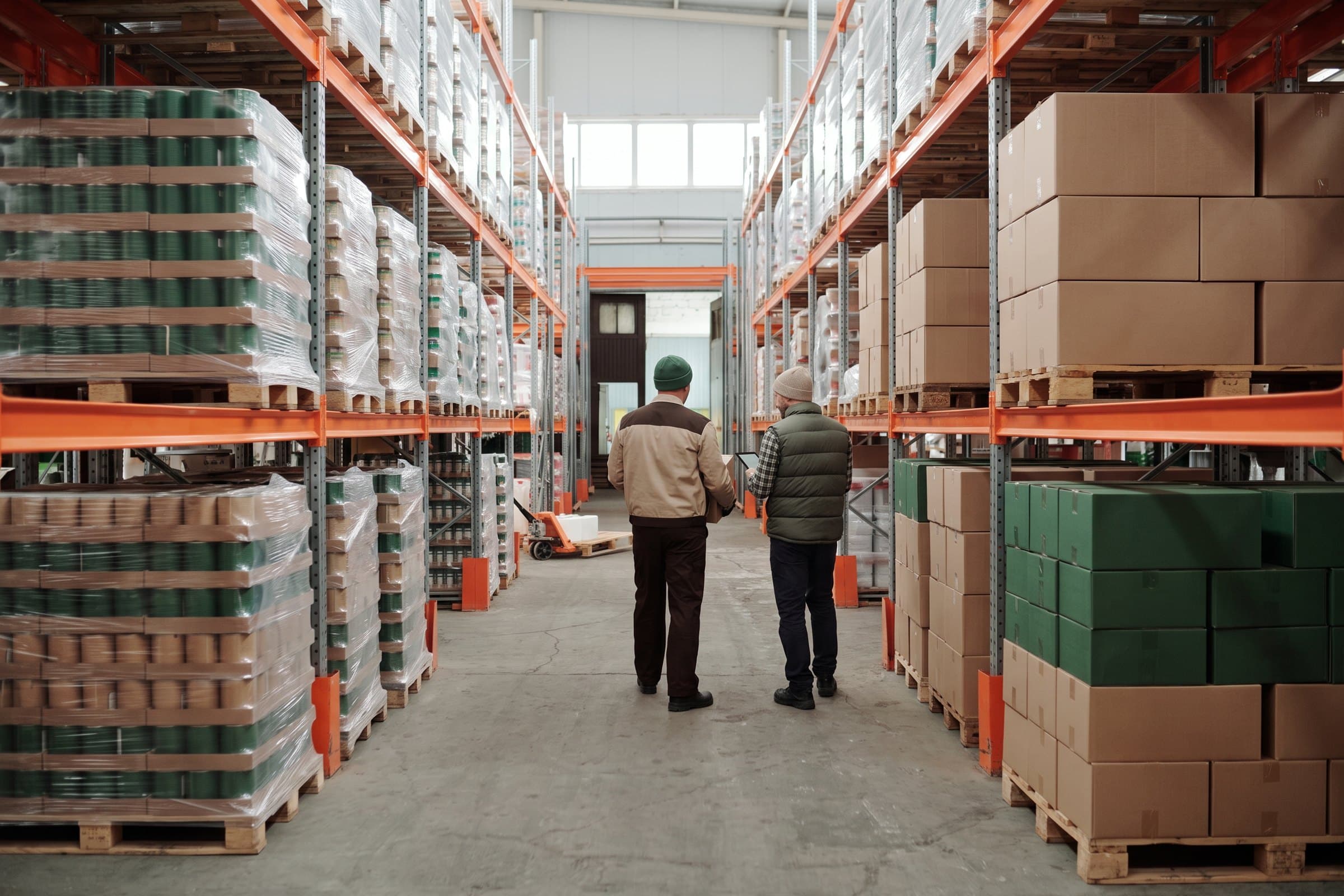
Labelled jars are packed, palletised and stored at 0 °C to +25 °C and a relative humidity of no more than 75 %, the same conditions printed on every label. Pallets are picked by batch, so the paperwork that leaves with a shipment matches the jars on it. Warehousing and storage are part of our certification scope.
Chyhyryn production site
8 Shevchenka Street, Chyhyryn, Cherkasy Oblast, 20901, Ukraine
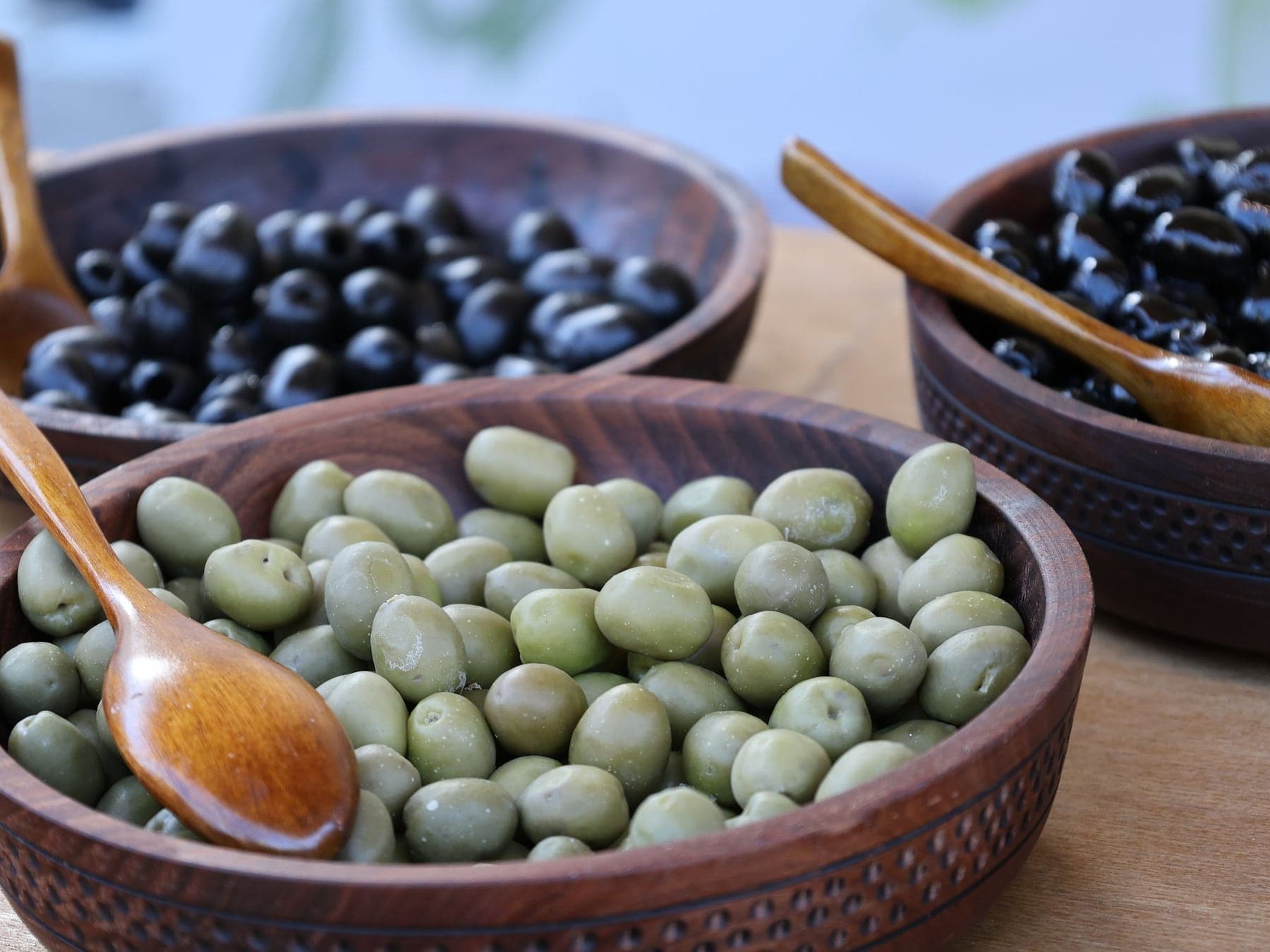
The site where our vegetable and fruit preserves are made; the catalogue names this address as the place of production. Intake, preparation, filling, sterilisation, inspection and storage are all here. The olives are also packed at this site.
Chornobai production site
177 Tsentralna Street, Chornobai, Zolotonosha District, Cherkasy Oblast, 19901, Ukraine
The second site within the scope of our ISO 22000 and ISO 9001 certification, listed alongside Chyhyryn and included in surveillance audits. Details of this site are available on request.
Formats
Glass throughout: jars from 480 g to 3 kg, with 485 g, 500 g, 650 g, 700 g, 1 kg and 1.2 kg sizes between them, and tomato paste in a 5 kg pail with a handle. Glass shows the product, takes sterilisation well and can be closed again after opening. Case counts and pallet configuration are provided with the specification on request.