


Tomato-based table sauces are the quiet workhorse of the Eastern European kitchen. They go on the plate next to meat, into the pan under a chicken, over pasta, onto cabbage rolls, and into the lunchbox with yesterday's cutlet. For a retailer or a chef meeting the category for the first time, five names on a shelf, Satsebeli, Ketcha, Lecho, Ukrainian, Ukrainian Hot, can look like five versions of the same thing. They are not. This guide explains what each one is, what is actually in the jar, how the five differ and which dishes each one belongs with.
What the five have in common
All five of our sauces share a base and a format. Each is built on tomato paste, between 23.8 % and 24.3 % of the recipe, diluted with water, seasoned with sugar and salt, thickened with modified maize starch and brought to its acidity with acetic acid. None of them contains added preservatives; the jar is sterilised, which gives a three-year shelf life at 0 °C to +25 °C. All five come in a 485 g tall glass jar and are produced to the same registered specification, TU U 10.8-30905643-007:2021, at our Chyhyryn site. The tomato paste that forms their base is made from Turkish tomato raw material, as our tomato paste labels state.
What separates them is the vegetable and spice layer on top of that base, and that layer is the whole character of each sauce.
Satsebeli: the Georgian-style sauce
Satsebeli takes its name from a family of Georgian sauces traditionally made with tomatoes, herbs, garlic and chilli. Our version is a Georgian-style sauce rather than a claim to a regional recipe: tomato base, dried onions, sweet peppers and garlic, a spice blend, and hot chilli pepper or chilli extract for warmth. It is savoury, garlicky and moderately hot, the heat is a background note rather than the point.
Serve it with grilled or roasted poultry and meat. The classic pairing is chicken tapaka, a flattened, pan-roasted chicken, and we give the method in our chicken tapaka recipe. It also works as a dip for flatbread and as a finishing sauce for kebabs.
Ketcha: the ketchup-style sauce
Ketcha is the sauce a shopper reaches for where a Western European shopper would reach for ketchup. It is not sold as ketchup, the name is a brand, and the recipe is its own, but the role is the same: sweet, smooth, mildly spiced, with dried sweet peppers, onions and garlic in the base. No chilli is listed among its ingredients.
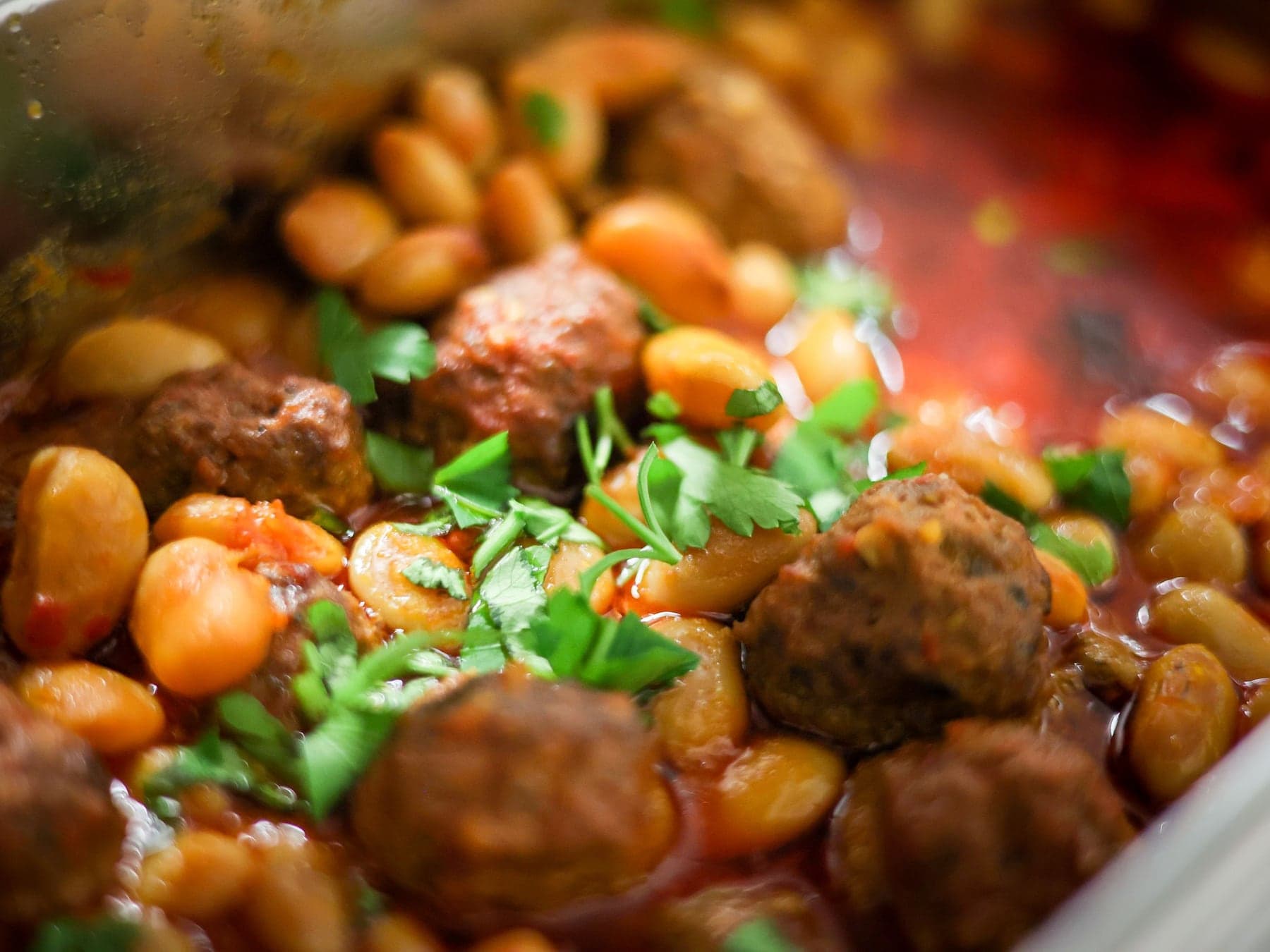
It belongs with everyday fried and baked dishes: meatballs, cutlets, sausages, chips, pizza bases. Our meatballs in Ketcha sauce recipe uses it both as the braising liquid and as the sauce on the plate.
Lecho sauce: the pepper-forward one
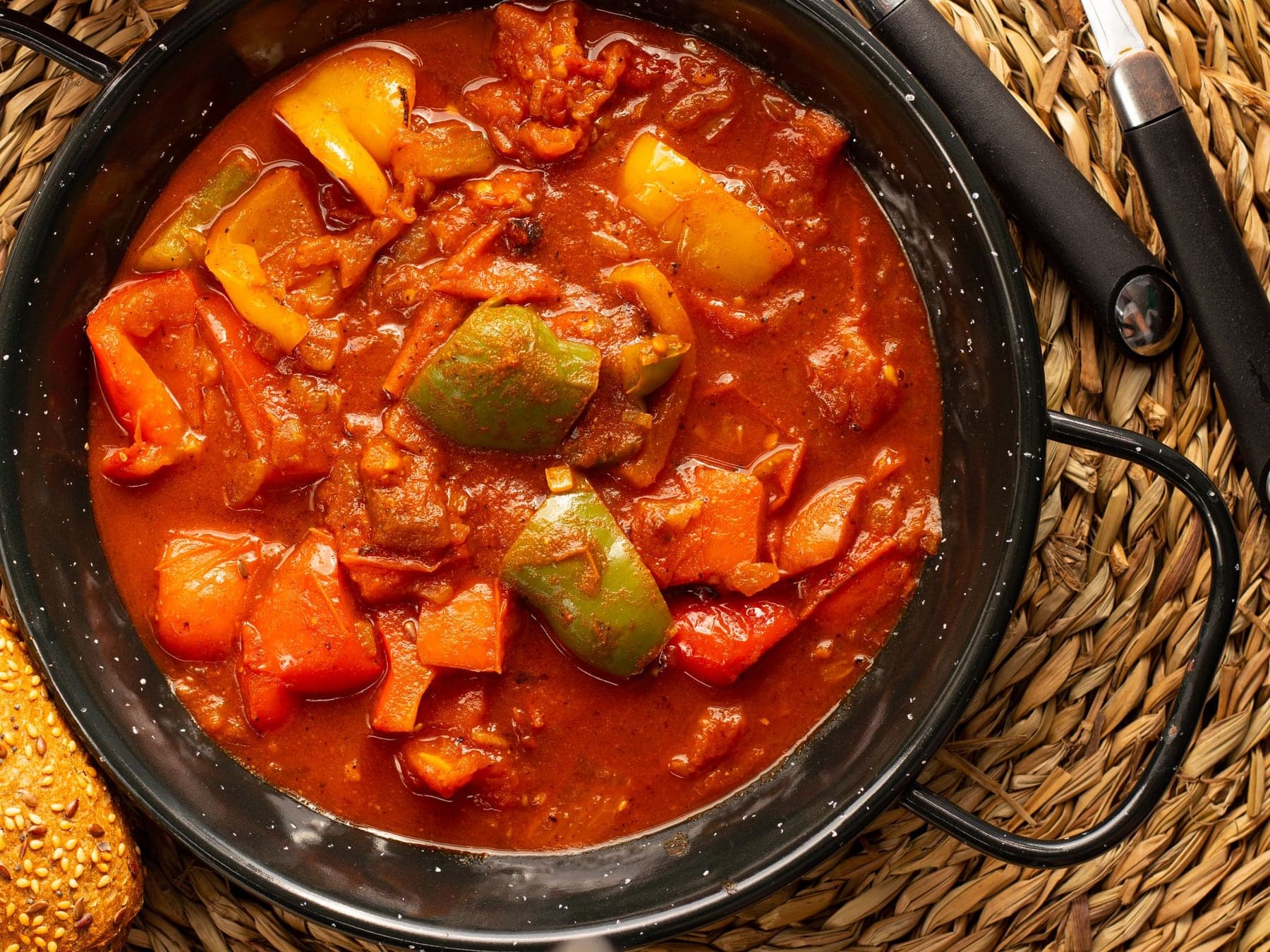
Lecho is a stewed dish of sweet peppers and tomatoes with Hungarian roots that became a staple of Ukrainian home preserving. We make lecho as a ready dish with whole pieces of pepper, and we also make the Lecho sauce, a smooth, pourable version with the same flavour direction. The sauce is built on the tomato base with dried sweet peppers, onions, carrots and garlic. Its character is distinctly pepper rather than sweet, and no chilli is listed.
Use it where you would use a mild vegetable-tomato sauce: over pasta, under baked chicken or fish, stirred into rice. The penne with chicken in Lecho sauce recipe is a weeknight example.
Ukrainian sauce: the one with apple
The Ukrainian sauce has the softest profile of the five on paper. Its distinguishing ingredient is apple purée, 4.8 % of the recipe, which gives a gentle fruit note and softens the acidity of the tomato. The spice blend is restrained. The result is a sauce for people who find Ketcha too sweet and Satsebeli too garlicky: balanced, slightly fruity, suitable for children's plates.
Its natural home is with the classics of the Ukrainian table: holubtsi (stuffed cabbage rolls), cutlets, buckwheat with meat, potato dishes. Our holubtsi recipe braises the rolls in it.
Ukrainian Hot: the same, with chilli
Ukrainian Hot is the Ukrainian sauce's recipe, tomato base, apple purée at 4.8 %, the same spice blend, with hot chilli pepper or chilli extract added. The apple keeps it round; the chilli gives it a clean, direct heat. It is the sauce for grilled pork, ribs, wings and anything cooked over coals. We use it as a glaze in the sticky pork ribs recipe.
Side by side
A quick way to hold the five in your head:
- Character: Ketcha, sweet and smooth; Lecho sauce: pepper-led; Satsebeli: savoury and garlicky; Ukrainian: rounded by apple purée; Ukrainian Hot: the same with chilli.
- Heat: Satsebeli and Ukrainian Hot contain chilli; Ketcha, Lecho sauce and Ukrainian do not.
- Dominant vegetable note: Lecho sauce, sweet pepper; Satsebeli: garlic and onion; Ukrainian: apple and tomato; Ketcha: balanced tomato.
- Best with: Satsebeli, poultry and grilled meat; Ketcha: fried everyday dishes; Lecho sauce: pasta, chicken, fish; Ukrainian: holubtsi and home classics; Ukrainian Hot: pork, ribs, barbecue.
For retailers: how to shelf them
The five sauces work as a set. On an Eastern European shelf they sit together in the "sauces and spreads" block, next to adjika and ikra. If you have space for only three, take Satsebeli, Ketcha and Ukrainian Hot, they cover the mild, the garlicky and the hot ends of the range. The tall 485 g jar stands well in a single row and, because the sauces are ambient and sterilised, they need no chilled space and carry three years from production.
Label points to remember: the legal name on an EU label will be a descriptive name, "tomato sauce with apple purée", "tomato sauce, Georgian style", with the brand name alongside it; "Satsebeli" and "Ketcha" are names, not legal descriptions. All five list "spices or spice extracts", so request the per-product allergen statement regarding celery and mustard, which we provide on request. None of the five declares an allergen on the ingredient list.
For chefs: how to use them
In a professional kitchen the sauces are ingredients as much as condiments. Satsebeli and Ukrainian Hot reduce well into glazes. Ketcha and Lecho sauce stand in for a quick tomato sauce base when there is no time to cook one down, and because both are already seasoned and thickened, they hold on a hot plate without splitting. The Ukrainian sauce, loosened with stock, becomes a braising liquid for cabbage rolls, meatballs and stuffed peppers in a single step. A 485 g jar is roughly a dozen table portions or three to four portions used as a cooking sauce, the exact figure depends on the dish.
All five sauces, with full ingredient lists, standards and shelf lives, are in the tomato sauces category. Samples, case and pallet configurations and private-label options are available on request through the quote form.