


In short
- Private Enterprise "MADESA" has produced condensed milk for 25 years and added vegetable and fruit preserves in the last two years: 27 products under the M.A.D.E.S.A and MIRASA brands.
- Both product groups and both sites, Chyhyryn and Chornobai in Cherkasy Oblast, are covered by the same ISO 22000 and ISO 9001 certificates, valid from September 2024 to September 2027.
- Heat-treatment discipline, cleaning culture and batch traceability carried over from dairy; the food safety system was extended with new hazard analyses, not built from scratch.
- What had to be learned anew was harvest-driven seasonality, acidity as a safety tool and the handling of glass jars from 480 g to 3 kg.
- Sterilisation in the sealed jar is what allows 24 of the 27 vegetable and fruit products to be made without added preservatives.
On this page
A manufacturer that has made condensed milk for a quarter of a century and vegetable preserves for about two years is an unusual combination, and buyers ask about it. The honest version of the story is not a tale of a founder's vision. It is a story about what transfers from one sterilised product to another, and what does not. This article tells it with the facts we can document, no founding legends, no dates we cannot show you a paper for.
The facts, as they stand
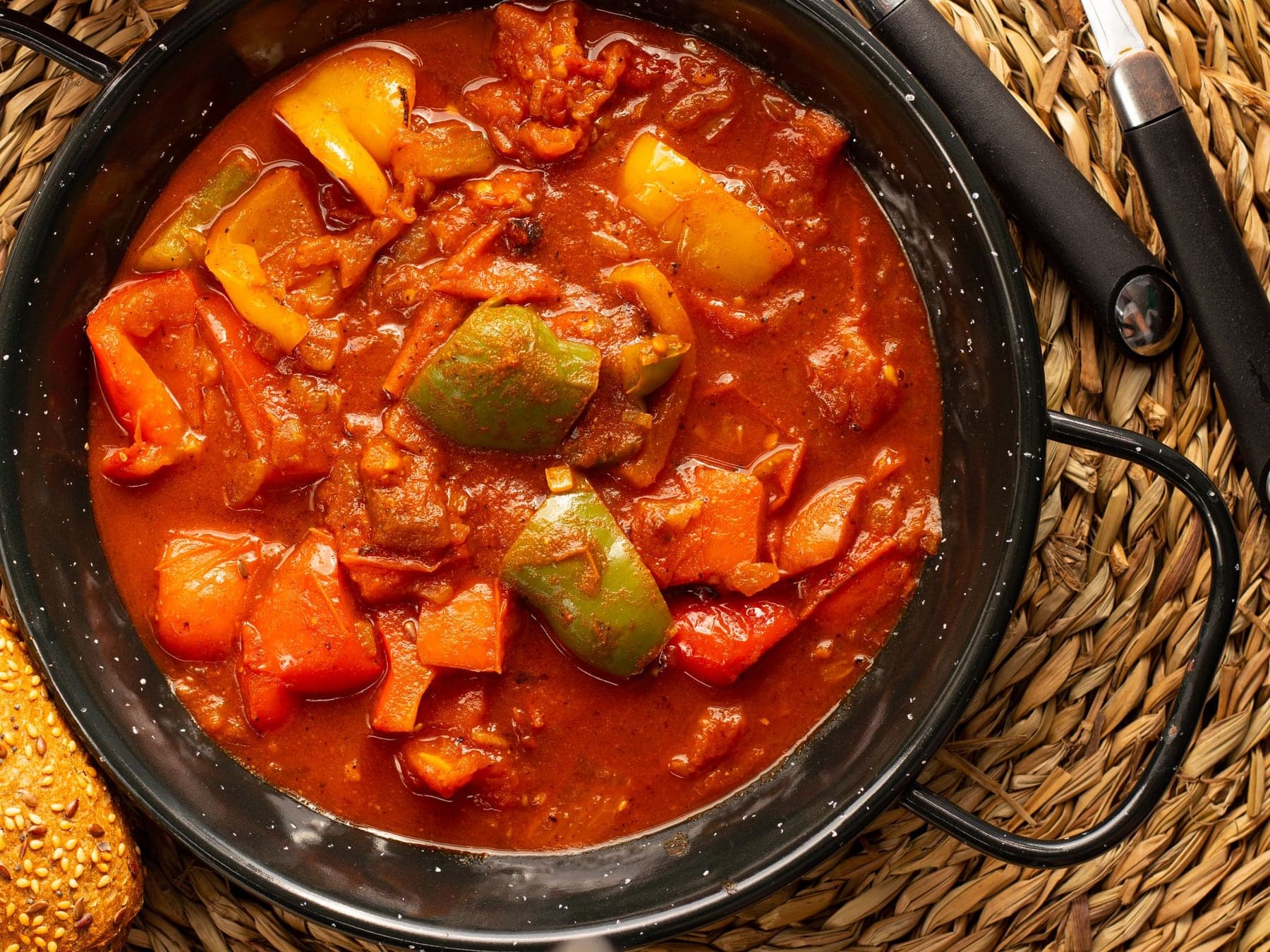
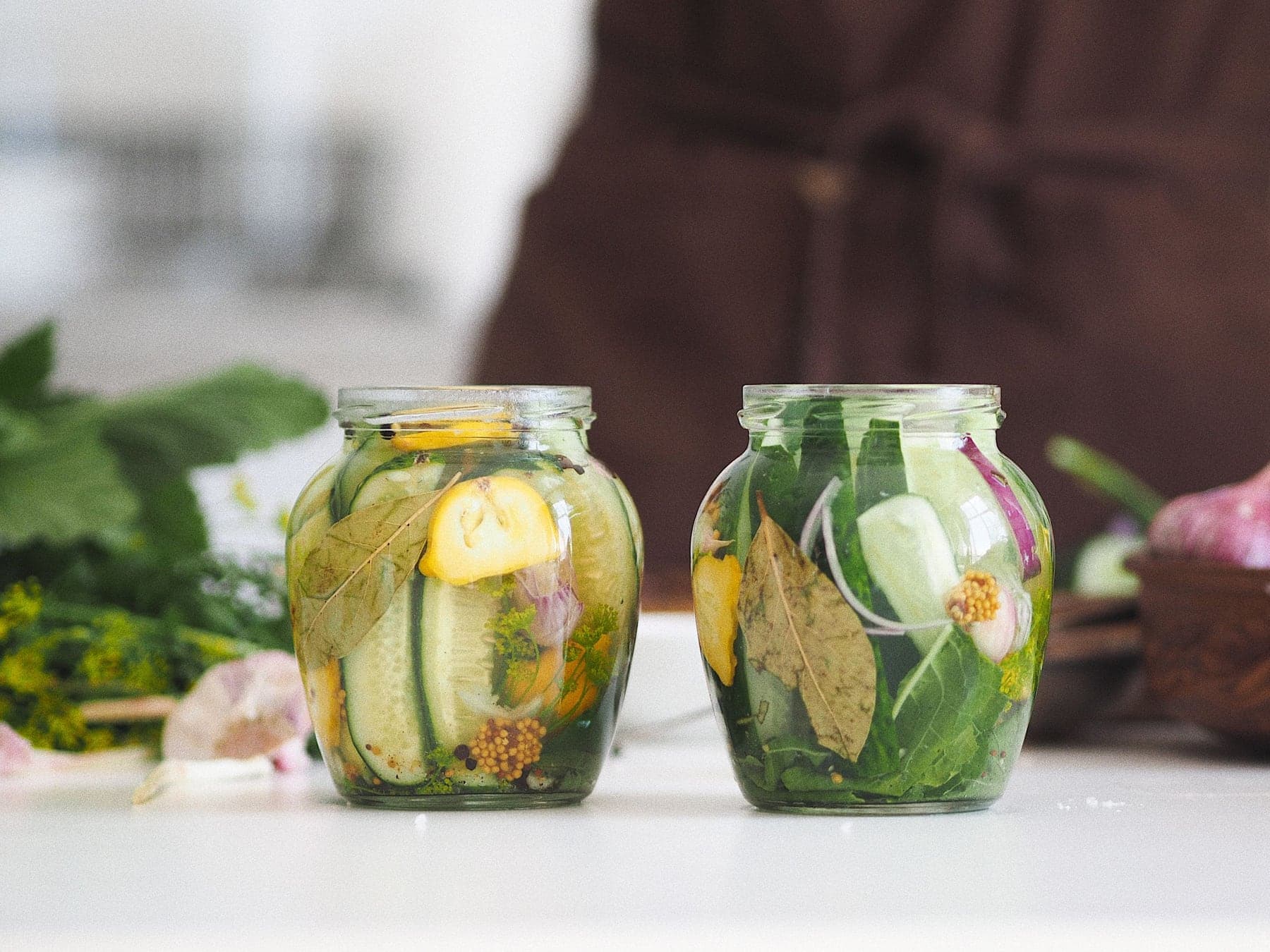
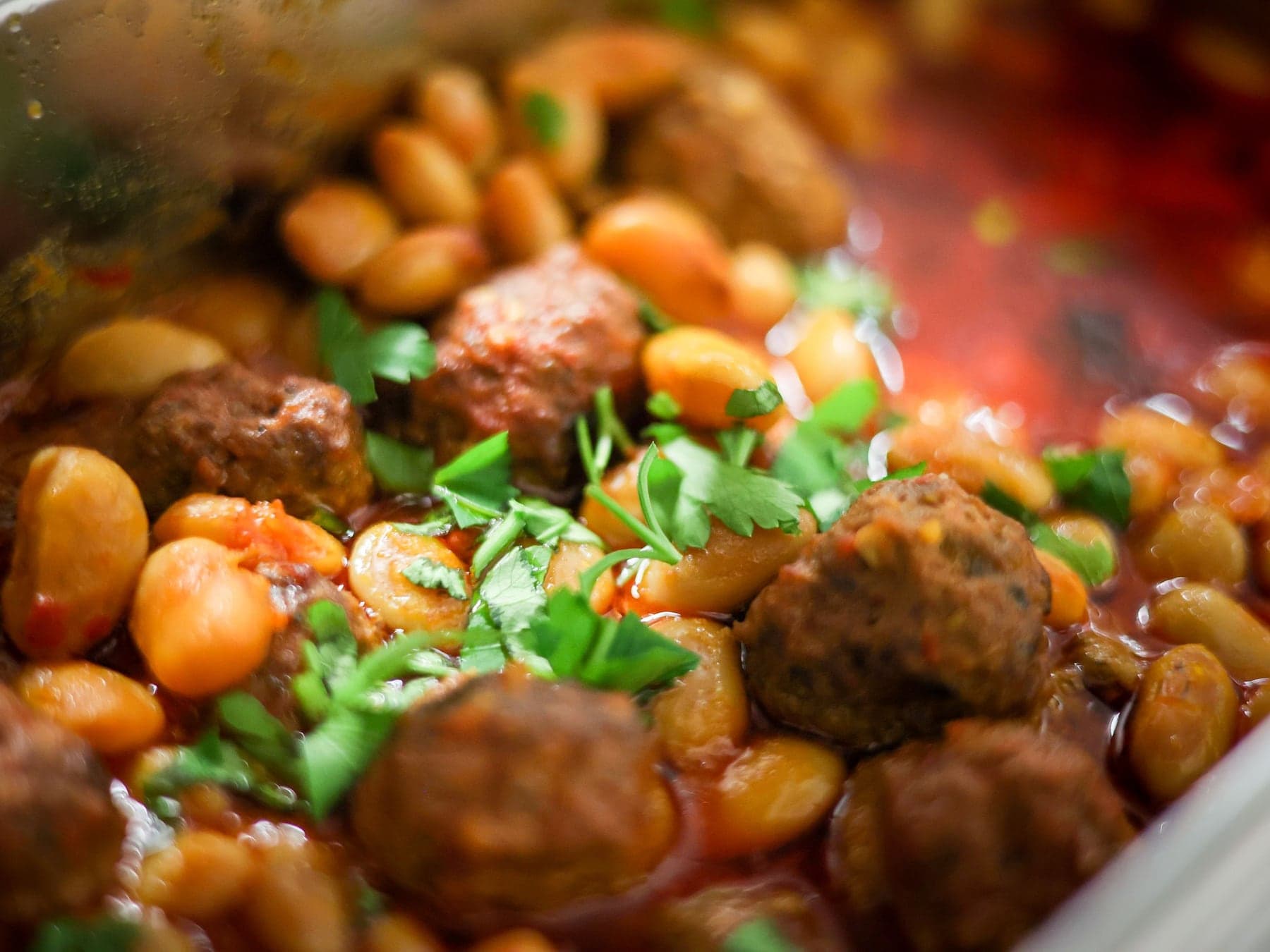
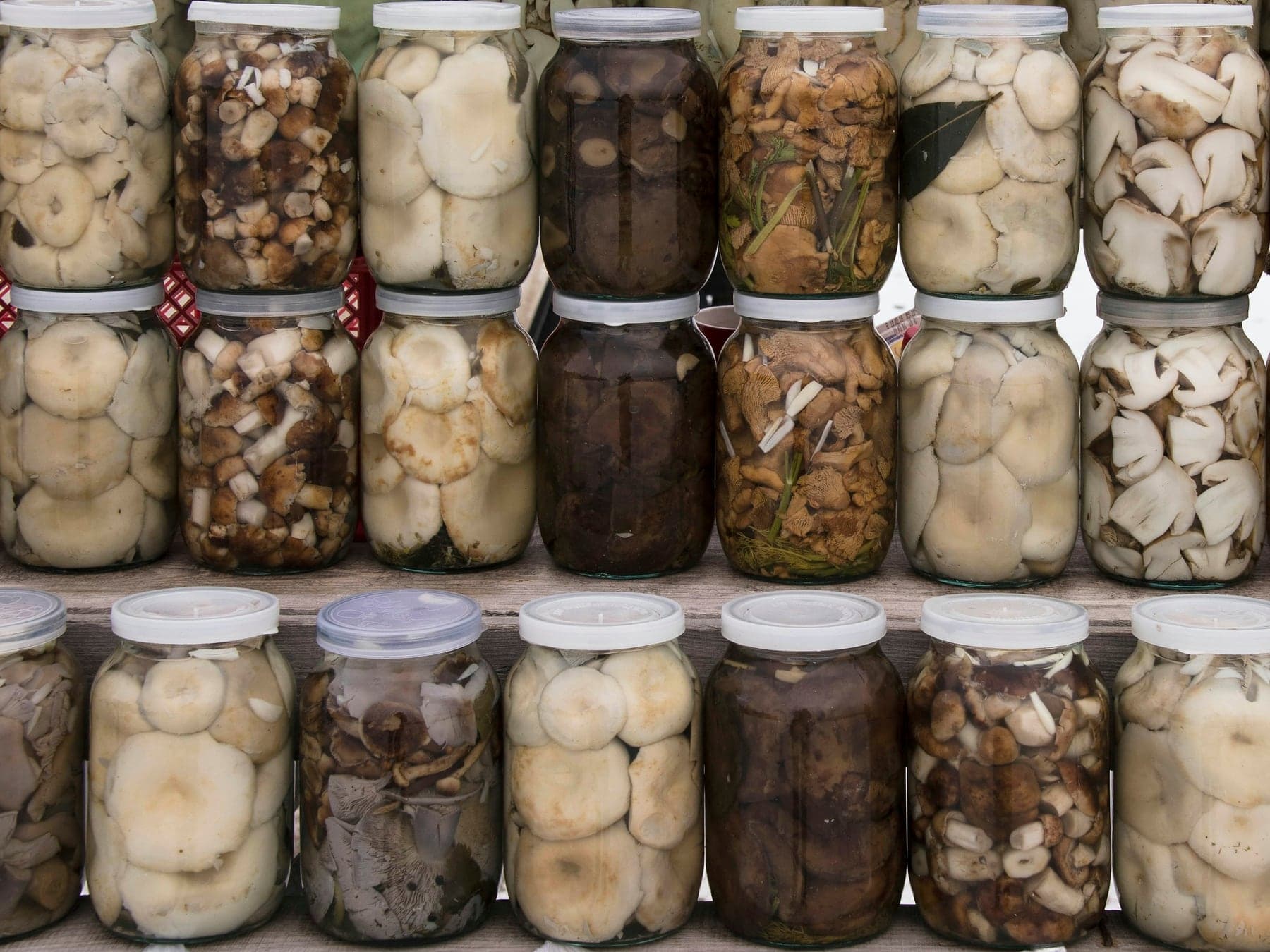
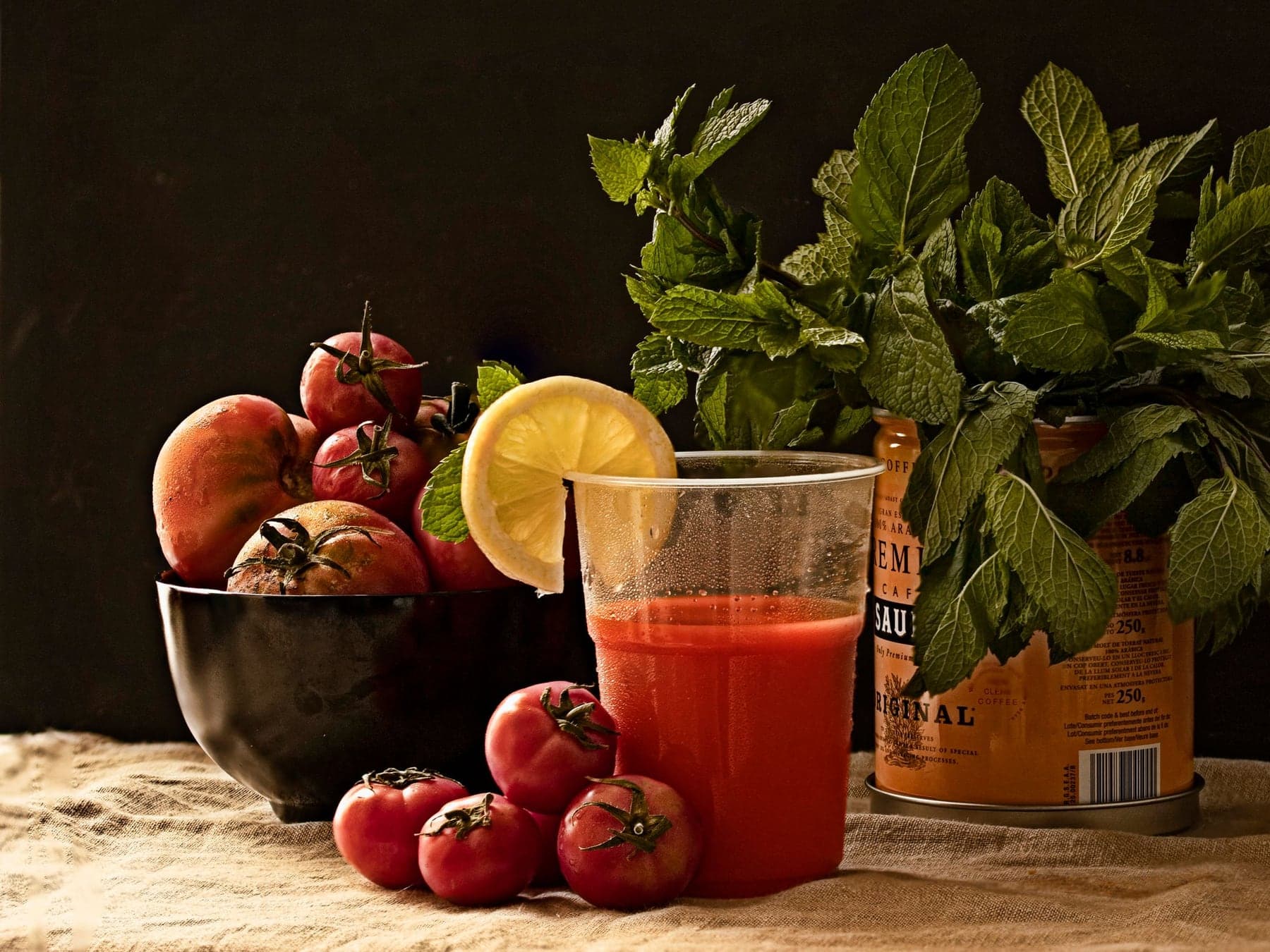
Private Enterprise "MADESA" has produced condensed milk for 25 years. In the last two years the company has added a range of vegetable and fruit preserves: tomato paste, pickles, ready vegetable dishes, ikra and adjika, beans, mushrooms, plum jam, tomato juice and five tomato sauces, 27 products in all, sold under the M.A.D.E.S.A and MIRASA brands. Production takes place at two sites in Cherkasy Oblast in central Ukraine, in Chyhyryn and in Chornobai.
Both sites and both product groups are covered by the same two management-system certificates: ISO 22000 for food safety (certificate FSMS.8O140.35-2024) and ISO 9001 for quality (certificate QMS.8O140.36-2024), valid from September 2024 to September 2027 and issued by an accredited certification body. The scope of those certificates reads like a short history of the company: sweetened condensed milk, flavoured and cocoa variants, sterilised caramelised condensed milk, a condensed product with vegetable oil, butter, and then processed and preserved fruit and vegetables, fillings for the food industry, sauces, condiments and spices, and wholesale storage. The dairy came first; the vegetables were written into the same system rather than bolted on beside it.
That is the whole documented story. Everything that follows is about why it matters to a buyer.
What transfers: heat
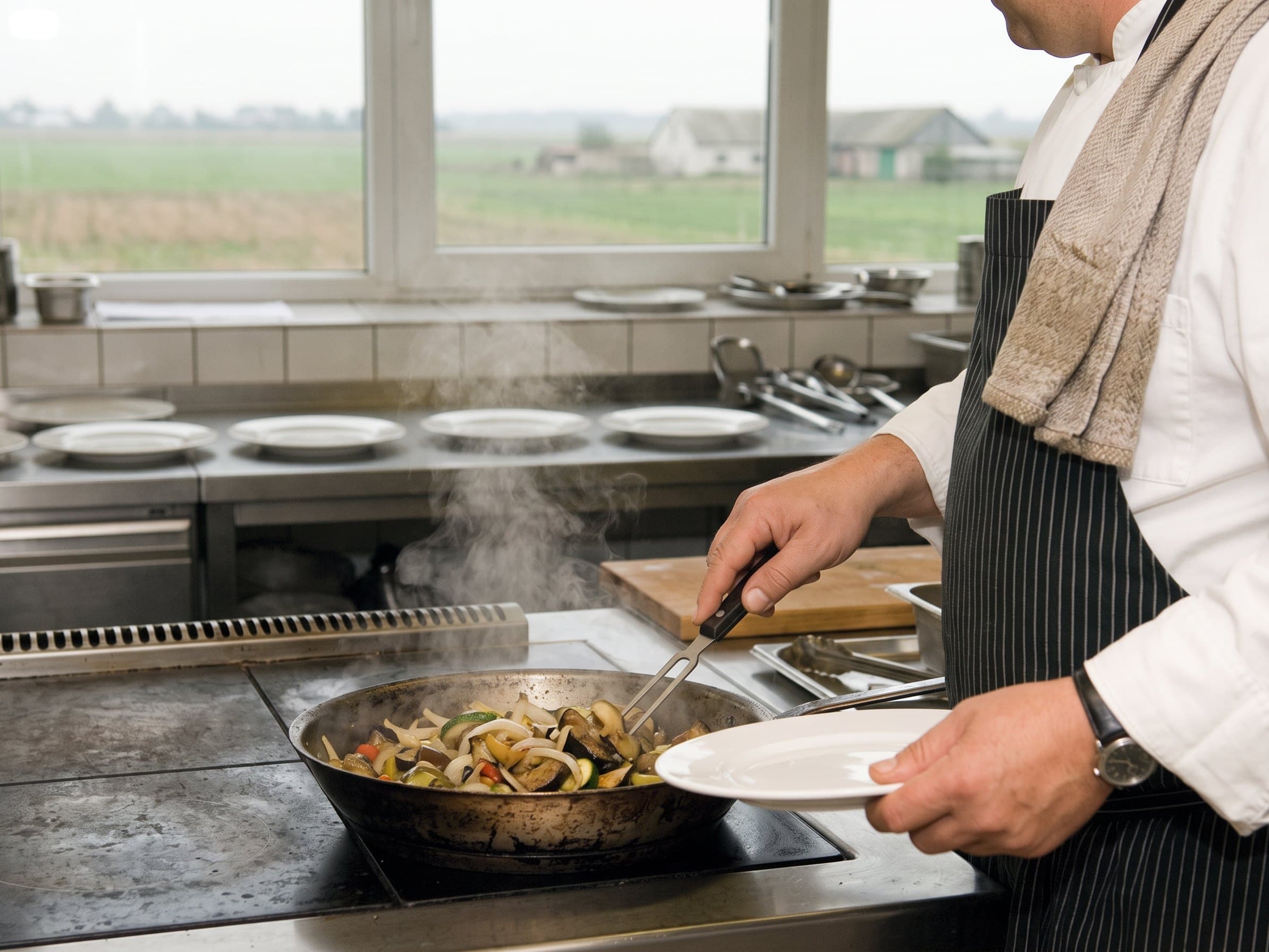
Condensed milk is, above all, a thermally processed product. Milk is pasteurised, evaporated under vacuum, sweetened to a concentration at which microbial growth stops, and filled hot into sealed containers. The caramelised variant goes further: it is sterilised in the sealed container, exactly as a jar of beans is. A plant that has run those operations for 25 years knows the discipline of time-temperature control, the logging, the thermometer calibration, the "what happens if the steam pressure drops" procedures, because in dairy a lapse shows up within days as a swollen can.
Vegetable preserves rely on the same physics. Sterilisation in the sealed jar is what allows 24 of our 27 products to be made without added preservatives: the heat does the preserving, and the vacuum seal keeps it that way for two or three years. The product changed; the kind of control did not.
What transfers: cleanliness
Milk is one of the most demanding raw materials in the food industry. It spoils quickly, it supports almost any microorganism, and it leaves protein and fat residues on every surface it touches. A dairy that does not clean properly does not stay in business. Cleaning-in-place programmes, surface swabbing, water quality monitoring, pest control, staff hygiene rules and the documentation that proves all of it were part of daily life long before the first courgette arrived.
Those prerequisite programmes are the foundation on which ISO 22000 sits. When the vegetable range was introduced, the food safety management system did not have to be built; it had to be extended with new hazard analyses for new raw materials. The certificates covering both product groups and both sites are the evidence that this is how it was done.
What transfers: traceability and release
A dairy works in batches that are identified, sampled, held and released against laboratory results. Supplier control, knowing which farms the milk came from, on which day, with which test results, is a legal requirement and a commercial necessity. The same batch logic now applies to a lot of pickled tomatoes: the jar carries a production date, the batch is linked to its raw-material deliveries, and release against the parameters of the product's standard happens before a pallet leaves. This is what makes the batch quality document we provide with each shipment a genuine record rather than a formality.
What had to be learned anew
It would be dishonest to claim that vegetables are just milk in a different colour. Three things were new.
Seasonality of a different kind. Milk arrives every day of the year. Cucumbers, tomatoes, sweet peppers and courgettes arrive in a window of a few weeks, and the year's production of pickles and lecho is largely made during that window. Planning, raw-material intake and storage had to be reorganised around the harvest.
Acidity as a tool. Dairy products are low-acid foods, and safety rests entirely on heat and sugar concentration. Many vegetable preserves are acidified, vinegar in a marinade, the natural acidity of tomatoes, and the acidity changes the required heat treatment. Learning the product-by-product balance between pH, temperature and time, and the Ukrainian product standards (DSTU and TU U) that define each item, was the technical core of the last two years.
Glass. Most of the vegetable range goes into glass jars from 480 g to 3 kg, a material with its own handling, inspection and sealing requirements, and a different relationship with the shopper, who buys what they can see.
Why a buyer should care
When you source from a manufacturer that is new to a category, the reasonable question is whether the systems behind the product are also new. In our case they are not. The food safety and quality systems, the laboratory routine, the cleaning culture and the batch discipline were built around a product far less forgiving than a jar of gherkins. The vegetable range inherited them.
What is new, the recipes, the formats, the retail and food-service positioning, we describe openly: on the production page, on the quality page, and on the about page, where the company's documented details are listed without embellishment.
Two product groups, one system
The dairy range continues. The condensed milk page will carry the details as they are published; in the meantime, information on the dairy products within the certificate scope is available on request. The vegetable range is on this site in full, with ingredient lists, standards and shelf lives for all 27 products.
If you would like to discuss either group, or both, a distributor can take a dairy and a vegetable assortment from one supplier, with one audit covering both, the quote form reaches the team behind both product groups.
Frequently asked questions
Does MADESA still produce condensed milk?
Yes. The dairy range continues alongside the vegetable preserves, and information on the dairy products within the certificate scope is available on request.
Are MADESA's dairy and vegetable products covered by the same certificates?
Yes. The same ISO 22000 (FSMS.8O140.35-2024) and ISO 9001 (QMS.8O140.36-2024) certificates cover both product groups and both production sites, Chyhyryn and Chornobai.
Can a distributor buy dairy and vegetable products from MADESA together?
Yes. A distributor can take a dairy and a vegetable assortment from one supplier, with one audit covering both. Enquiries go through the quote form.
How long has MADESA made vegetable preserves?
For about two years. Before that the company spent 25 years producing condensed milk, and the vegetable range was written into the existing food safety and quality systems.
How does preserving vegetables differ from preserving milk?
Dairy products are low-acid foods whose safety rests on heat and sugar concentration. Many vegetable preserves are acidified, by vinegar or by the natural acidity of tomatoes, and that acidity changes the heat treatment required.