

In short
- Dried tomatoes in oil are tomatoes dried to concentrate their flavour, then packed in oil with garlic and herbs; they are ready to use straight from the jar.
- MADESA Dried Tomatoes in Oil come in a 650 g glass jar with 60% dried tomatoes, are sterilised, contain no added preservatives and keep for three years.
- They work in antipasti, pasta, focaccia, sandwiches, salads and cooked dishes, chopped as a seasoning rather than served as a vegetable.
- After opening, refrigerate the jar, keep the tomatoes covered with oil, take them out with a clean utensil and use them within a few days.
- The oil in the jar is a seasoned ingredient for dressings, bread and gentle cooking, and it is kept and used like the opened product.
On this page
Dried tomatoes in oil are ripe tomatoes dried until most of their water has gone, then packed in oil with garlic and herbs. Drying concentrates their sweetness, acidity and savoury depth, and the oil keeps them soft and ready to use: no soaking, no cooking, straight from the jar into antipasti, pasta, bread, sandwiches and sauces. Once the jar is open, they belong in the fridge, under their oil.
What dried tomatoes in oil are
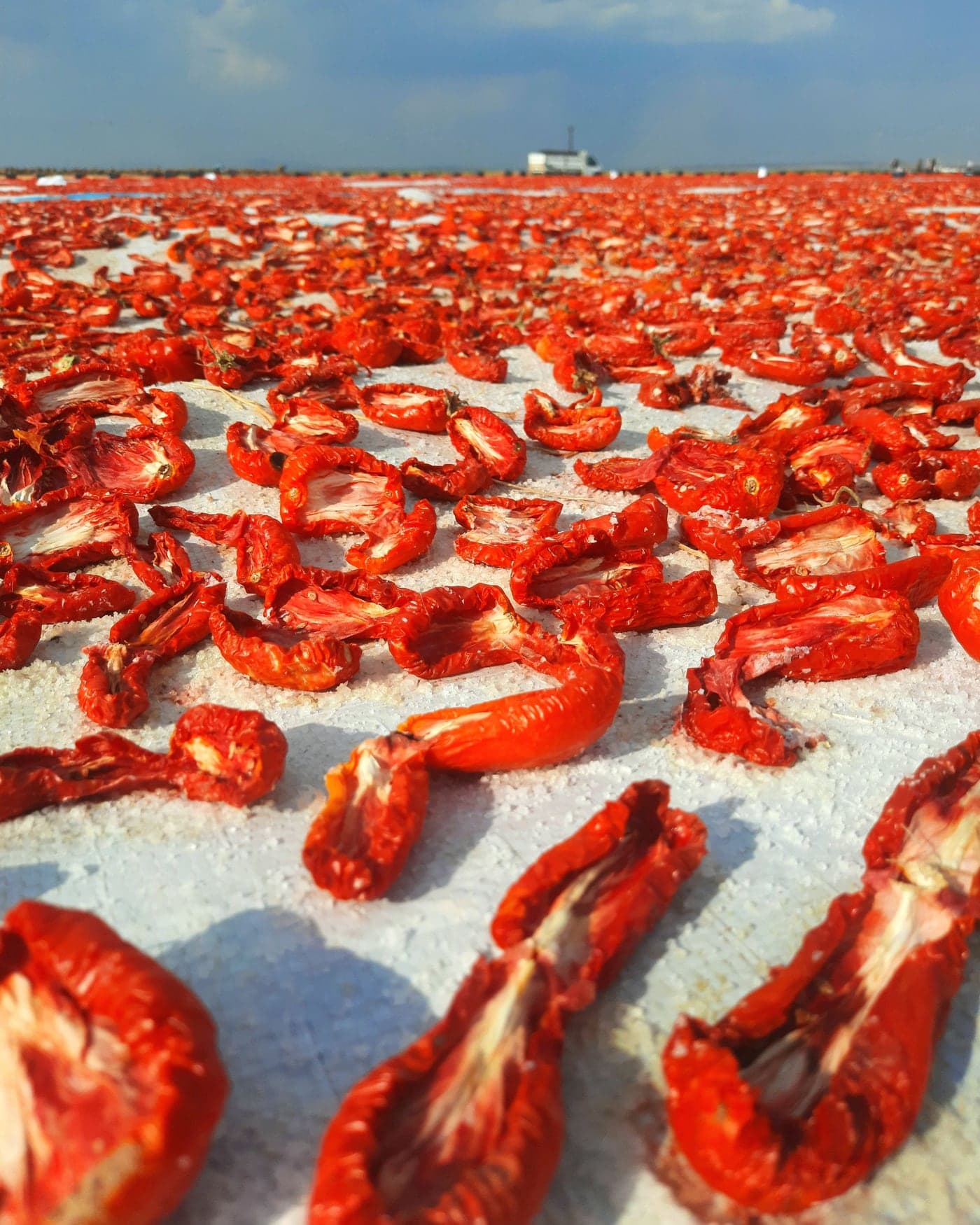
A fresh tomato is mostly water. Drying removes most of it, and with it most of the volume: it takes many kilograms of fresh fruit to make one kilogram of dried. What remains is concentrated, the sugars, the fruit acids and the natural glutamates that give tomatoes their savoury, umami character.
English menus usually call the whole category sun-dried tomatoes, after the southern Italian tradition of halving and salting tomatoes and drying them on racks in the sun. Today much of the drying happens in drying chambers, where temperature and airflow can be controlled, but the name has stayed. On a label, the wording is what counts: "sun-dried" and "dried" are both in use, and the method is not always stated. Our jar says dried tomatoes in oil.
Two forms are sold. Dry-packed tomatoes are leathery and need soaking in warm water or stock before most uses. Oil-packed tomatoes have already been softened and seasoned and are used as they come. This guide is about the second kind.
Garlic and herbs kept in oil are a known food safety concern in home kitchens, because oil shuts out air and can let Clostridium botulinum spores grow if the mixture is not acidic enough. Commercial jars deal with this through recipe and process: an acidity regulator lowers the pH and the sealed jar is heat-treated. Home-made tomatoes in oil are a different product and should be kept in the fridge and used quickly.
What is in the MADESA jar
Our Dried Tomatoes in Oil are made under the M.A.D.E.S.A brand at our production site in Chyhyryn. The label data:
| Label item | MADESA Dried Tomatoes in Oil |
|---|---|
| Net weight | 650 g, glass jar |
| Ingredients | dried tomatoes (60.0%), sunflower oil or olive oil, white sugar, salt, garlic, acidity regulator (acetic acid), basil, rosemary, oregano |
| Treatment | sterilised |
| Preservatives | none added |
| Shelf life | 3 years |
| Storage before opening | 0 °C to +25 °C, relative humidity not exceeding 75% |
| Specification | TU U 10.3-44851902-001:2023 |
Three details are worth noting. The declared 60% share means roughly 390 g of tomatoes in every jar at packing, which is the figure to start from when you plan portions. The ingredient list names sunflower oil or olive oil, so if the type of oil matters for your menu or your own product declaration, ask for the specification of the batch you are buying. And none of the 14 allergens that EU law requires to be emphasised appears in the ingredient list.
How to use dried tomatoes in oil
Dried tomatoes work best in modest amounts, as a seasoning as much as a vegetable. Drain them in a sieve over a bowl so the oil is kept, then cut them into strips or dice with scissors or a sharp knife.
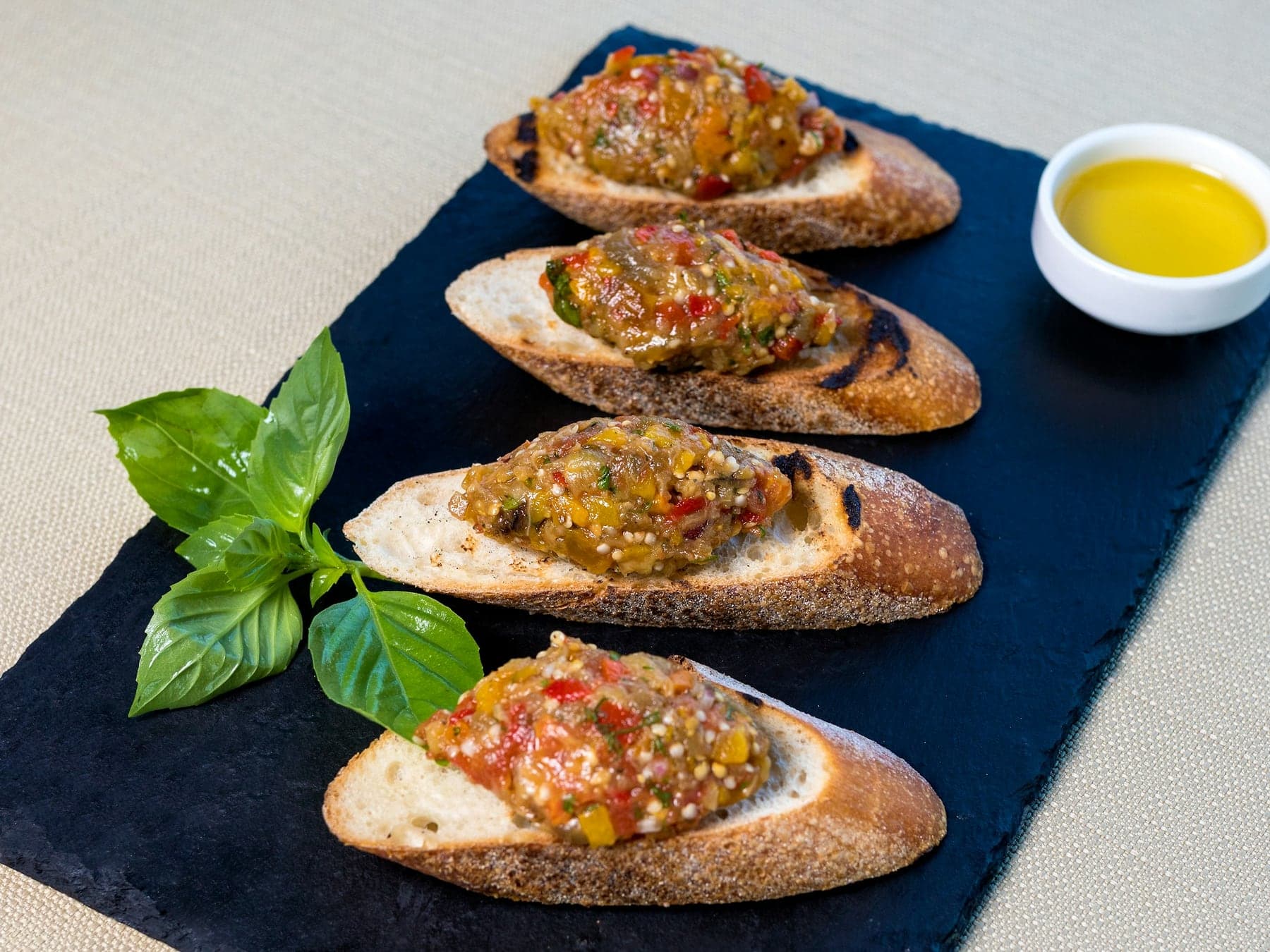
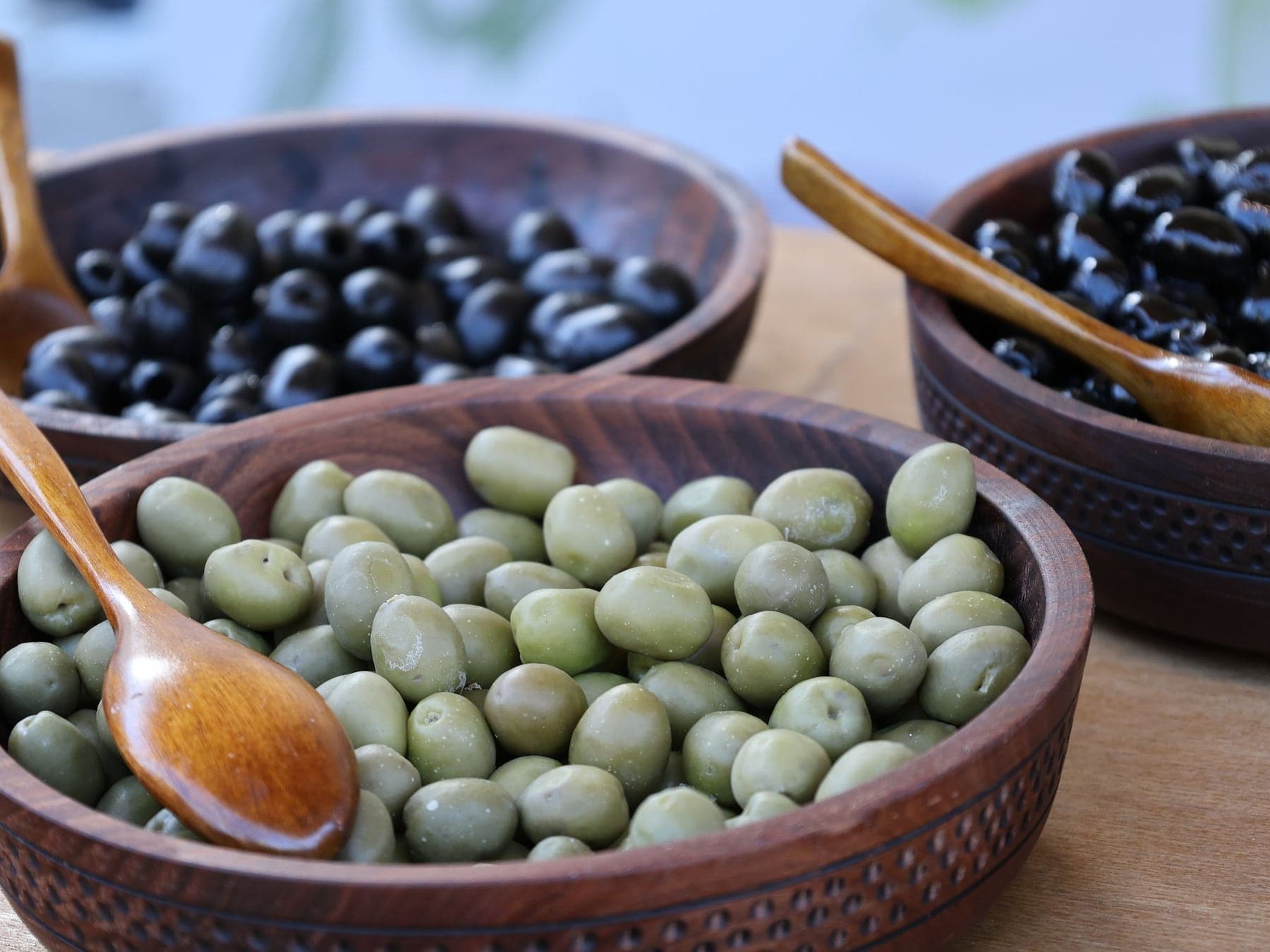
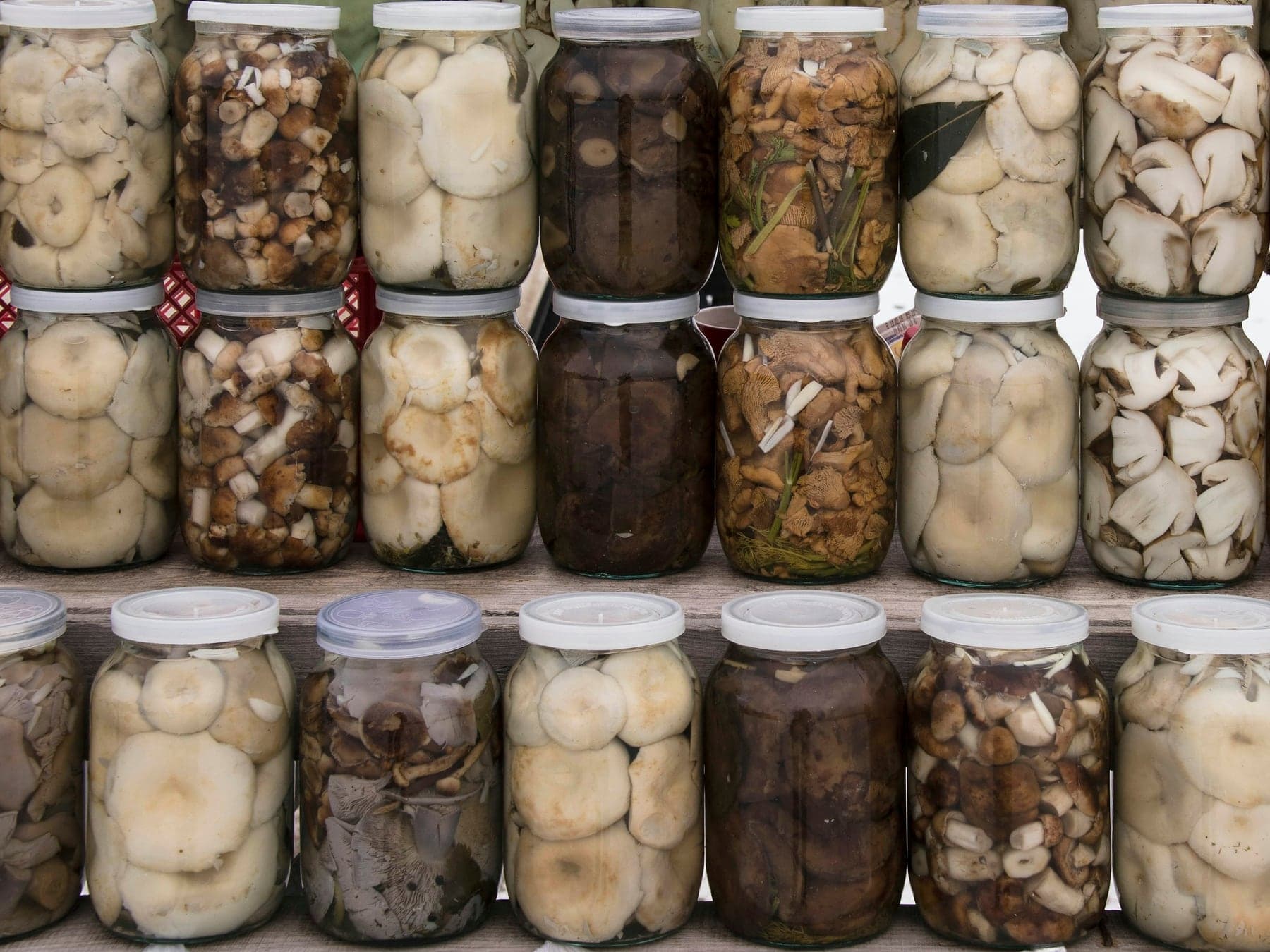
- Antipasti. Serve whole or halved with mozzarella or burrata, olives, grilled peppers and cured meats, or next to pickles and marinated mushrooms on a zakuska board. Blot them lightly with kitchen paper if the plate should look dry.
- Pasta. Warm chopped tomatoes and a sliced garlic clove in two or three spoonfuls of the jar oil, add a ladle of pasta water and toss with spaghetti or penne; finish with parmesan or a hard sheep's cheese.
- Focaccia and bread. Press halved tomatoes into the dough before baking and use the jar oil for the top; our focaccia with dried tomatoes and rosemary uses 150 g from one jar. Chopped, they also go into bread dough, scones and savoury muffins.
- Sandwiches. Ciabatta with mozzarella and rocket, chicken or turkey with finely chopped tomatoes stirred into mayonnaise, toasted sandwiches with hard cheese. Mixed into soft cheese, they make a spread for bagels and canapés.
- Salads and grains. Couscous, bulgur, lentils, potato salad, or green leaves with goat's cheese; a spoonful of the oil goes into the dressing.
- Eggs and cooked dishes. Omelettes, frittatas, a tray of roast vegetables, a chicken braise, a tomato soup that needs more depth. A few chopped pieces do the work of a long reduction.
Dried tomatoes in the professional kitchen
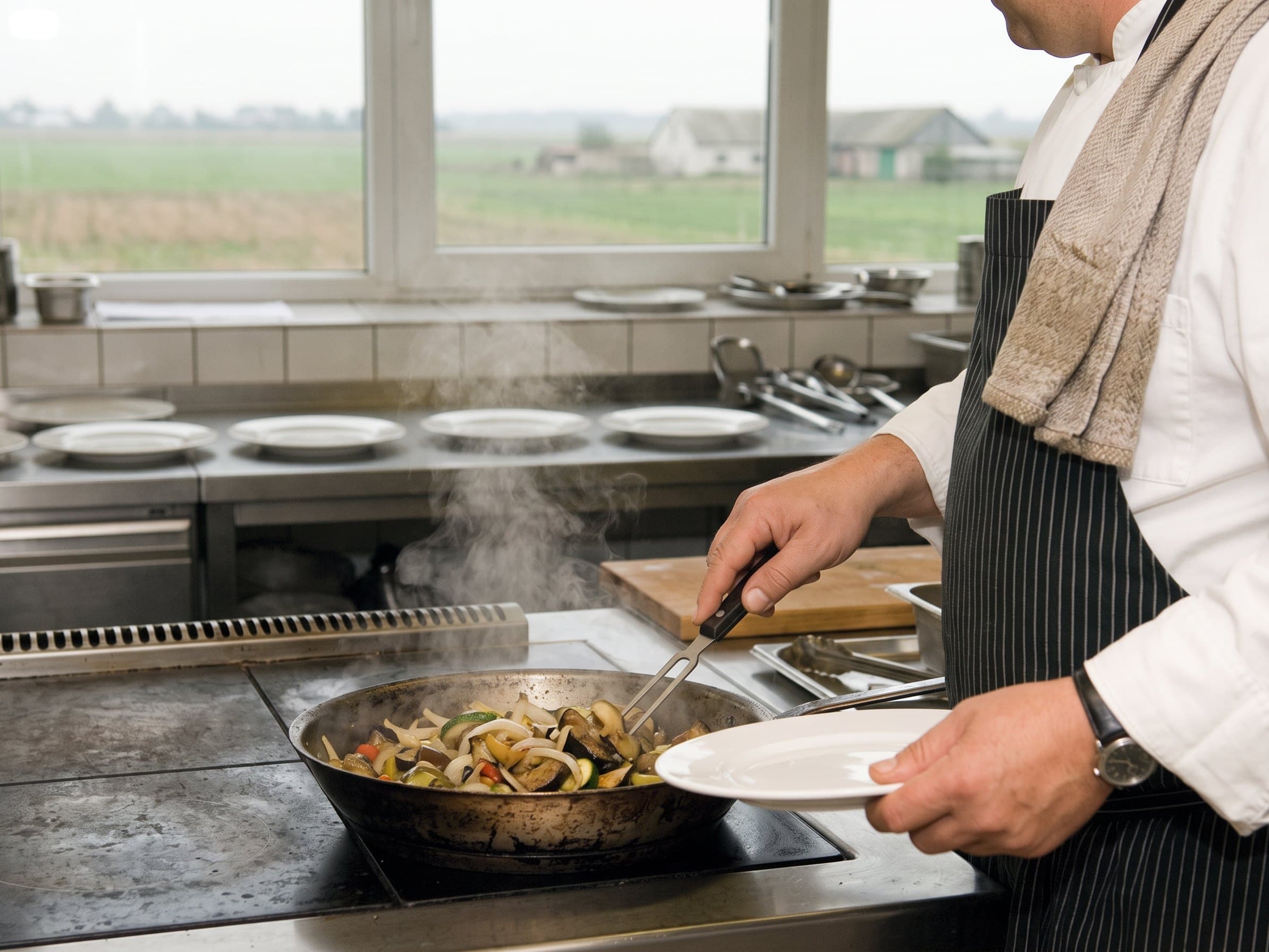
For food service, a jar of dried tomatoes in oil replaces a slow preparation: drying, salting and infusing in oil is days of work that a sealed, sterilised jar takes off the prep list. A few practical points:
- Drain once, portion once. Open the jar, drain it over a bowl, and portion tomatoes and oil into lidded containers for the day's services, labelled with the date of opening.
- Cost by tomato, not by jar. Base portion costing on the tomato content, roughly 390 g per 650 g jar by the declared share, and count the oil as a second ingredient rather than as waste.
- Match the cut to the dish. Strips for pizza and salads, fine dice for sauces, spreads and fillings, halves for antipasti and focaccia.
- Keep opened stock moving. In a kitchen that uses dried tomatoes every day, a 650 g jar is finished within a service or two, which keeps the opened product fresh.
How we work with restaurants, caterers and bakeries is described on our food service page.
How to store dried tomatoes after opening
Before opening, the jar keeps at room temperature for its whole shelf life. After opening, it is an ordinary perishable food, and a few rules keep it in good condition:
| Situation | What to do |
|---|---|
| Unopened jar | Store at 0 °C to +25 °C, relative humidity up to 75%, out of direct sunlight; check the date on the jar |
| Opened jar | Close the lid, refrigerate and use within a few days |
| Tomatoes above the oil | Press them down or top up with a little fresh oil; exposed pieces dry out and can grow mould |
| Taking tomatoes out | Use a clean fork or tongs every time, never fingers or a used spoon |
| Bulging lid, raised safety button before opening, fizzing, off smell or mould | Do not use the product |
If your kitchen works with a HACCP plan, it may set a specific time for opened products; that time applies. Our general guidance on storing preserves before and after opening, including large formats, is in the article glass jar or pail.
What to do with the oil
The oil in the jar is not packing material. It has been in contact with tomatoes, garlic, basil, rosemary and oregano and tastes of all of them. Use it:
- in a vinaigrette, with red wine vinegar and a little mustard;
- brushed on bread before grilling, or poured over focaccia before baking;
- to start a tomato sauce, a risotto or a pan of vegetables over medium heat;
- as a marinade for chicken, halloumi or vegetables before roasting.
Two rules apply. The oil is part of the opened product, so it is kept in the fridge and used within the same few days as the tomatoes. And the garlic and herb particles in it scorch at frying temperatures, so it suits dressing, baking and gentle cooking better than searing.
Practical summary for buyers
Dried tomatoes in oil are a ready-to-use ingredient for antipasti, pasta, bread, sandwiches and salads, and the oil in the jar is a second ingredient, not waste. Our 650 g jar contains 60% dried tomatoes with garlic, basil, rosemary and oregano, is sterilised, is made without added preservatives and keeps for three years at ambient temperature. In retail it belongs on the antipasti or international shelf; in a kitchen it takes a slow preparation off the list. If you would like the product specification or a quotation, send us an enquiry.
Frequently asked questions
Do dried tomatoes in oil need to be rinsed or soaked?
No. Oil-packed tomatoes are already soft and seasoned, so draining is enough, and rinsing would wash away flavour. Soaking is only needed for dry-packed tomatoes, which are sold without oil.
Can I put dried tomatoes in oil on pizza?
Yes, drained and cut into strips. Because they are already concentrated, they can scorch in a very hot oven, so tuck them under the cheese or add them in the last minutes of baking. Blot off excess oil so it does not pool on the pizza.
Why does the oil go cloudy in the fridge?
Olive oil starts to cloud and thicken at refrigerator temperature as some of its fats solidify. This is harmless and reverses at room temperature. Sunflower oil stays clearer when chilled. Either way, take the portion you need out of the fridge a little before serving.
Can you freeze dried tomatoes in oil?
Not in the glass jar, which can crack in the freezer. Chopped tomatoes with a little of their oil can be frozen in a small lidded container or an ice-cube tray. The texture softens on thawing, so frozen portions suit sauces and cooked dishes better than an antipasti plate.
How do you make red pesto with dried tomatoes in oil?
Blend about 100 g of drained tomatoes with 30 g of toasted almonds or pine nuts, 30 g of grated parmesan, a small garlic clove and four to five tablespoons of the jar oil to a coarse paste. Loosen it with olive oil or pasta water. Keep it in the fridge and use it within a few days.