


Walk into a supermarket in Warsaw, Berlin, Prague or Vilnius and you will find a bay, sometimes a whole aisle, that the trade calls the Eastern European or "international" shelf. Jars of pickled cucumbers, lecho, courgette ikra, beans in tomato sauce, plum jam, adjika. The shoppers are Ukrainians and other Eastern Europeans living abroad, their neighbours who have learned to cook with these products, and an increasing number of local customers who simply like a sharp pickle or a pepper stew. This guide is written for the category manager who has to build or refresh that shelf and wants a structure rather than a random assortment.
Start with the meal, not the jar
The shelf works when it mirrors how the products are actually eaten. Four occasions cover most of the demand:
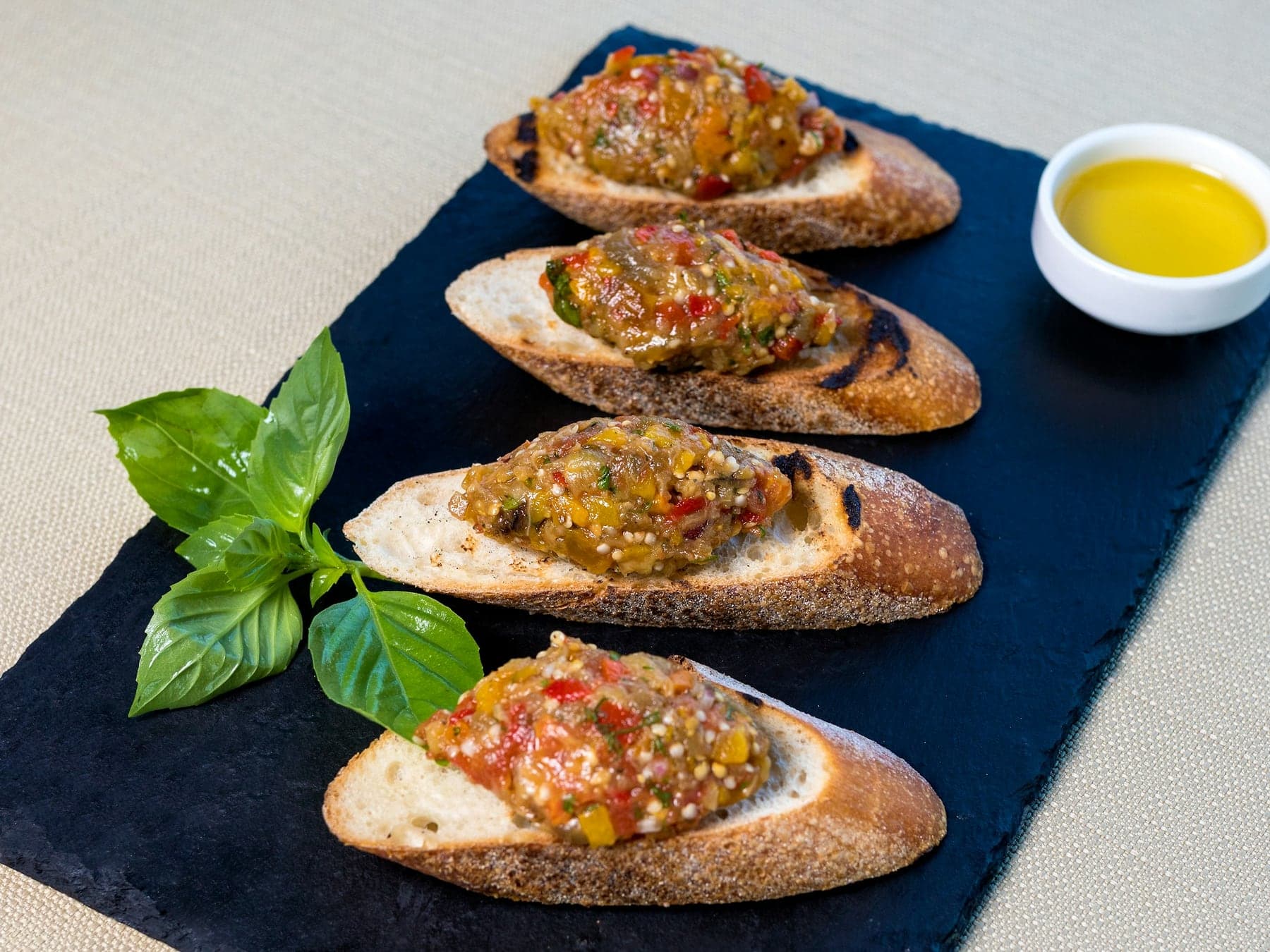
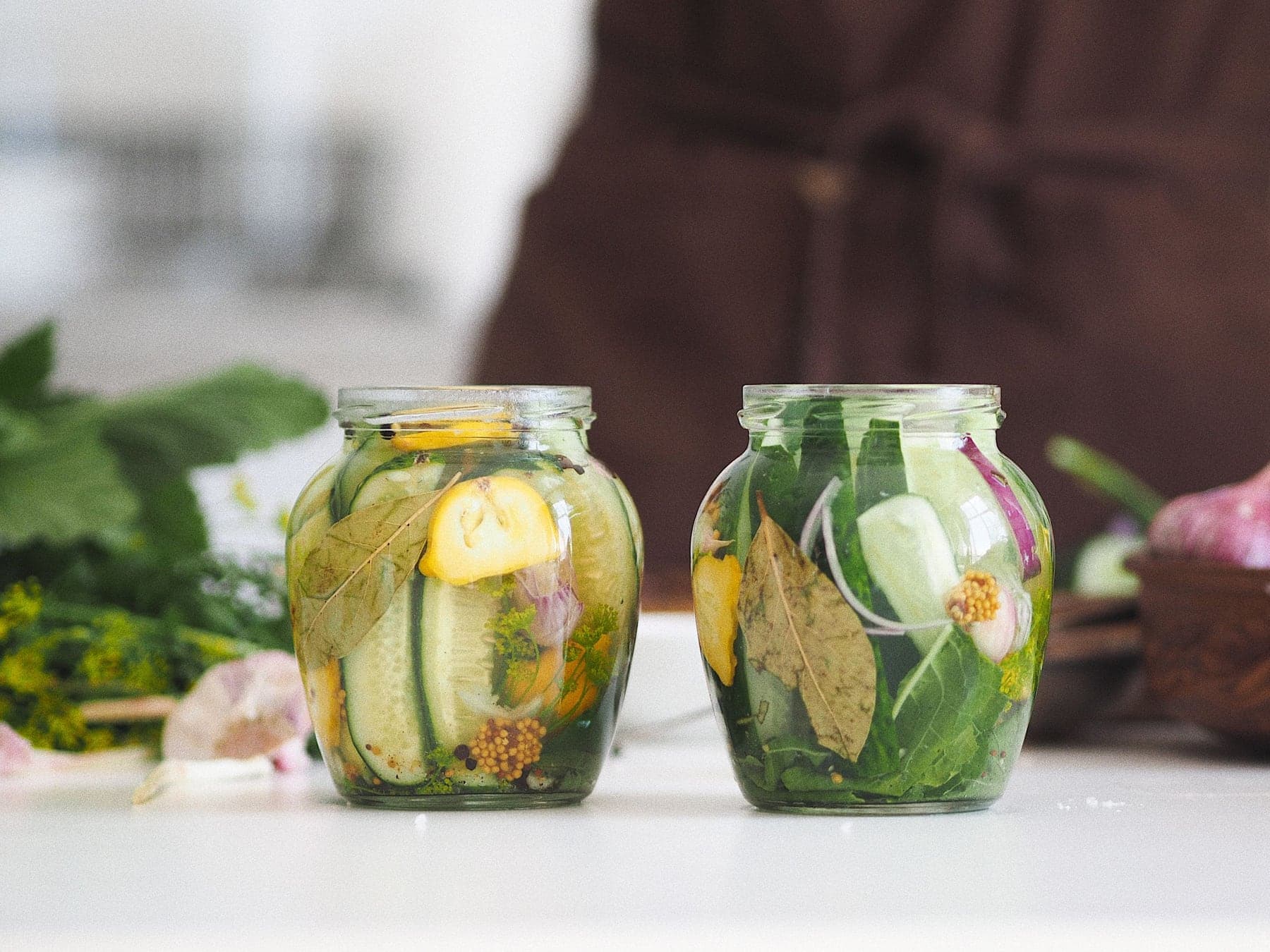
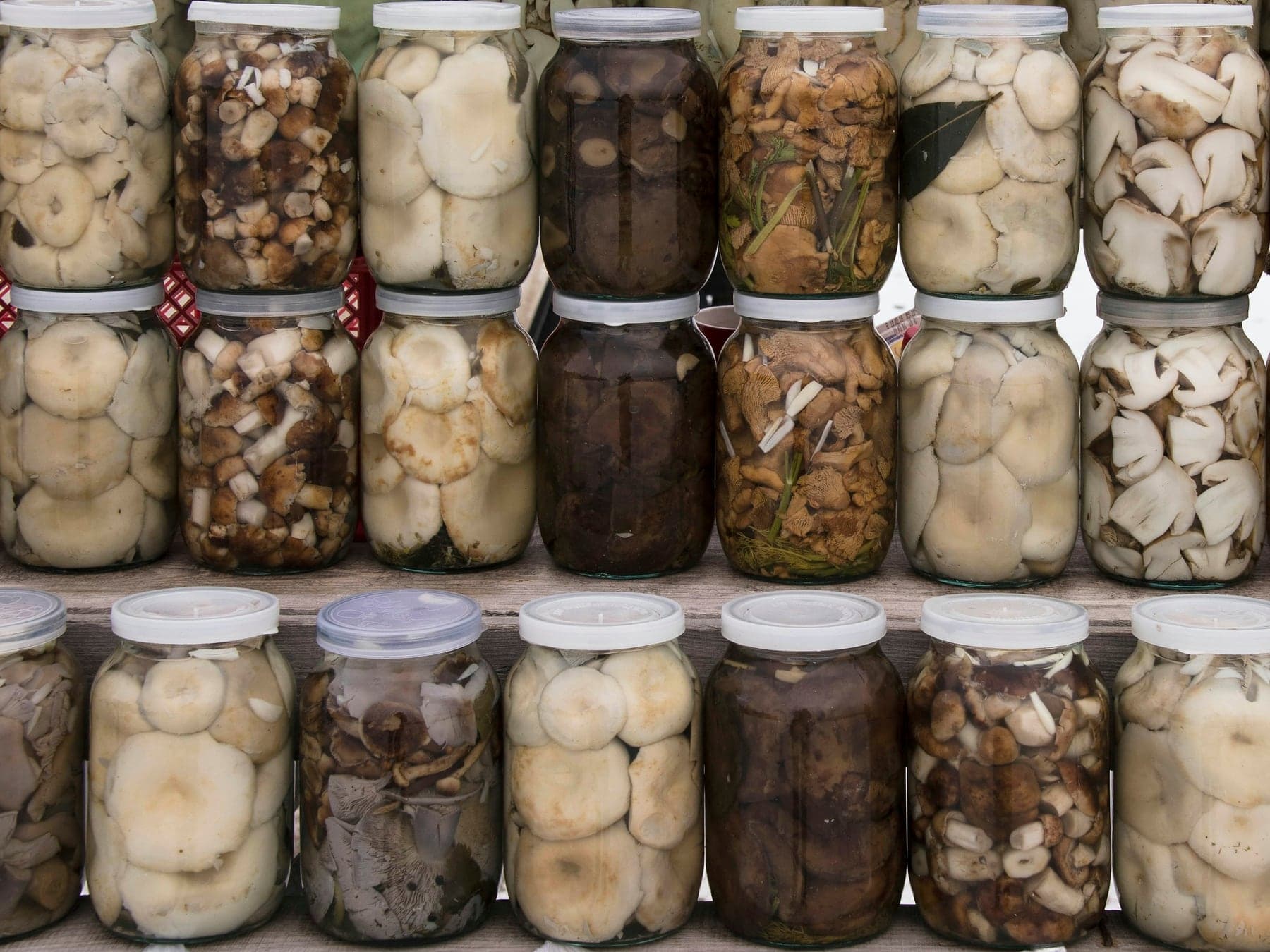
- The zakuska table, cold starters served with bread: pickled cucumbers and tomatoes, marinated mushrooms, vegetable salad, aubergines in adjika. These are the hero products and the first thing a shopper looks for.
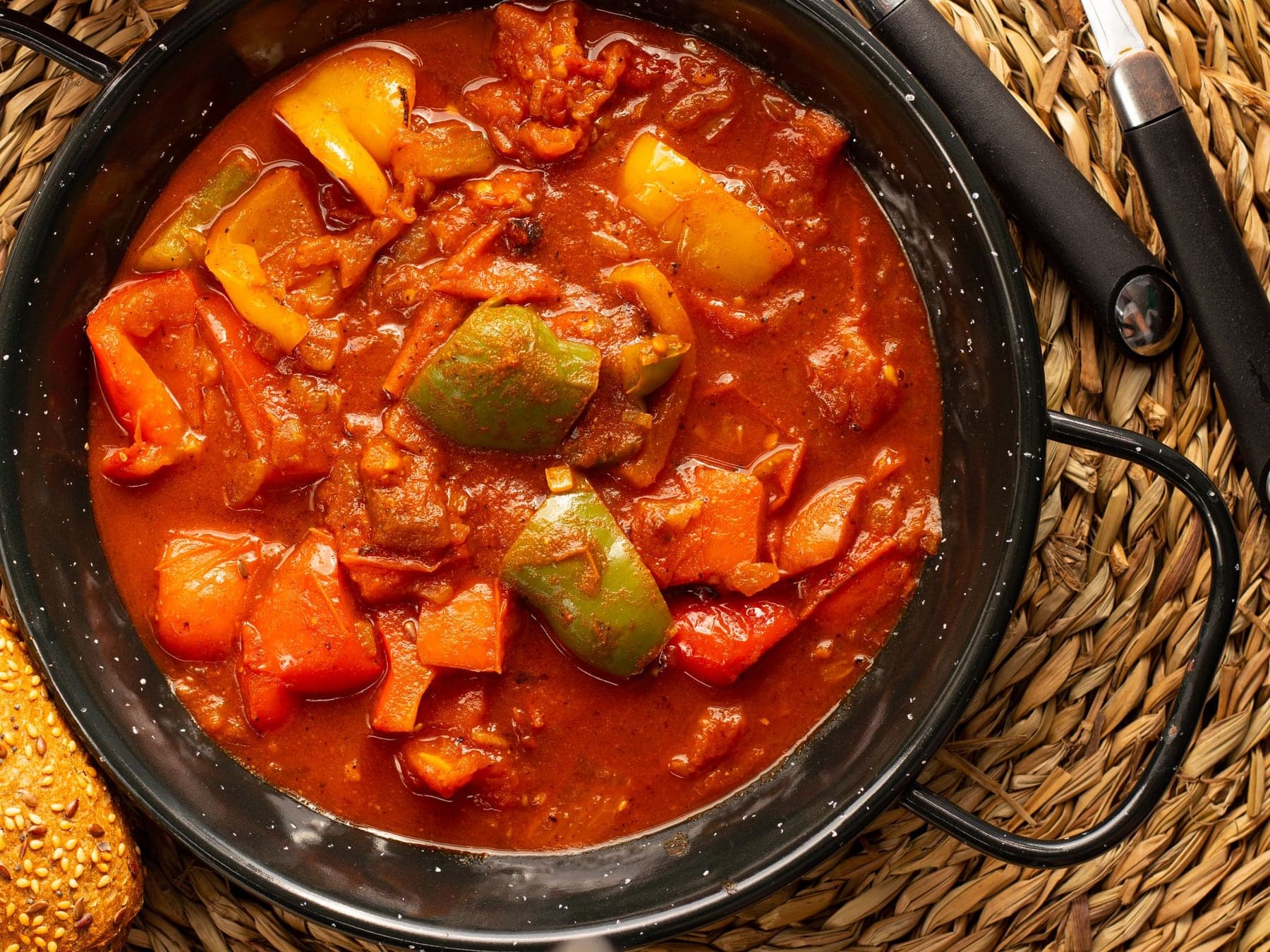
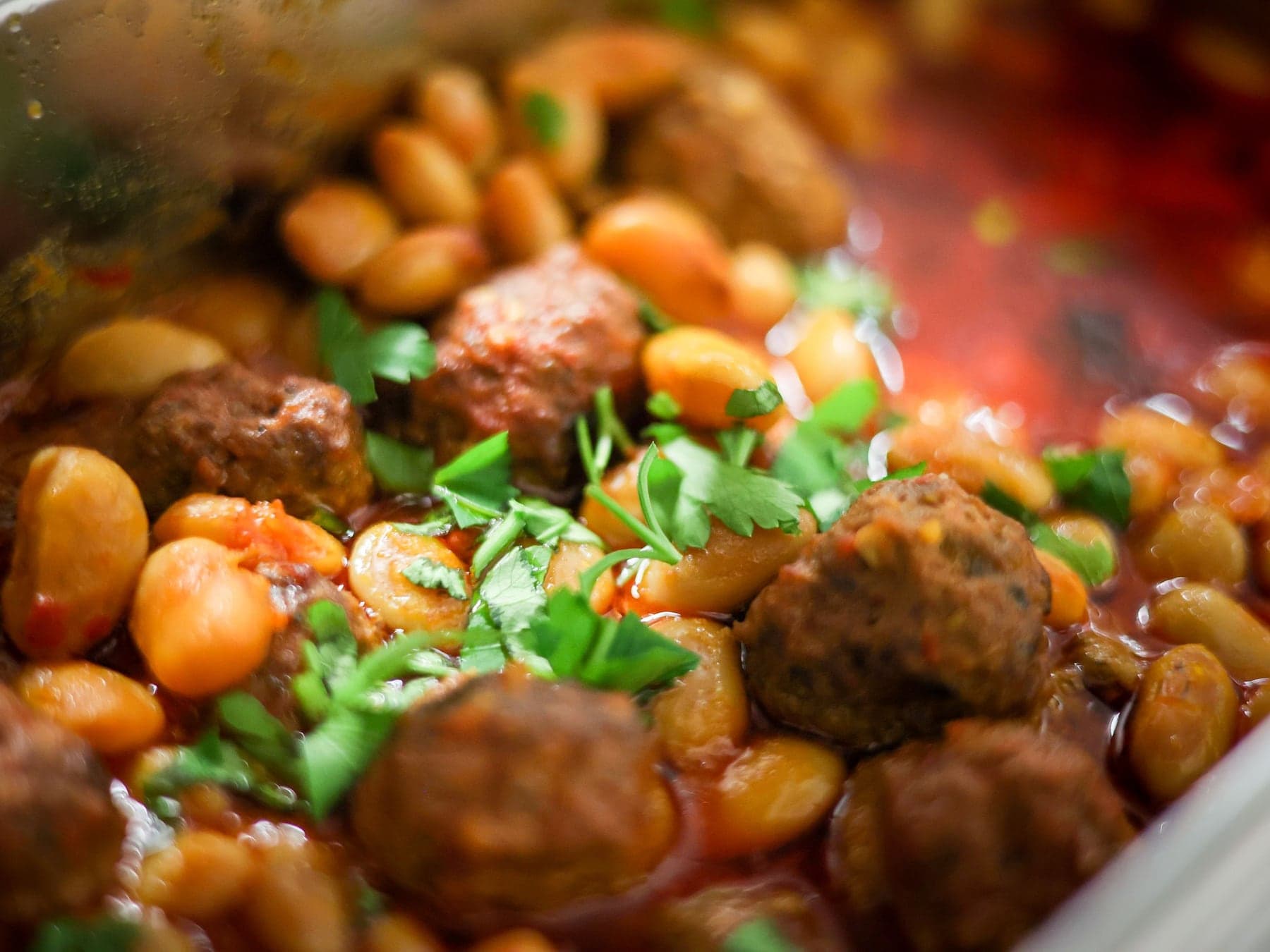
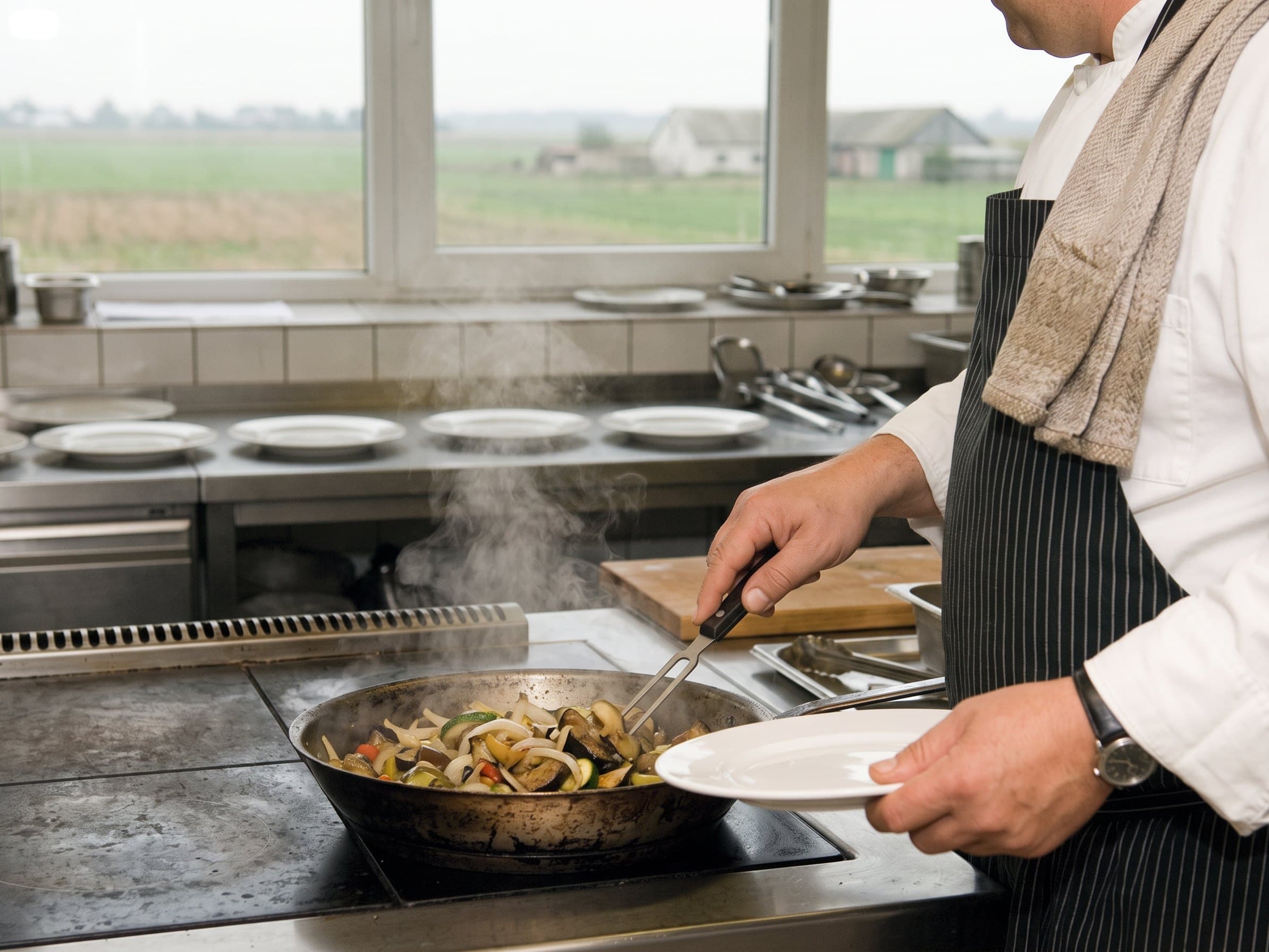
- The quick hot meal, a jar that becomes dinner in ten minutes: lecho with eggs, vegetable sauté with fish, beans with vegetables in tomato sauce heated with sausage.
- The spread and the sauce, courgette ikra and sweet pepper ikra on bread; hot adjika and tomato sauces with meat.
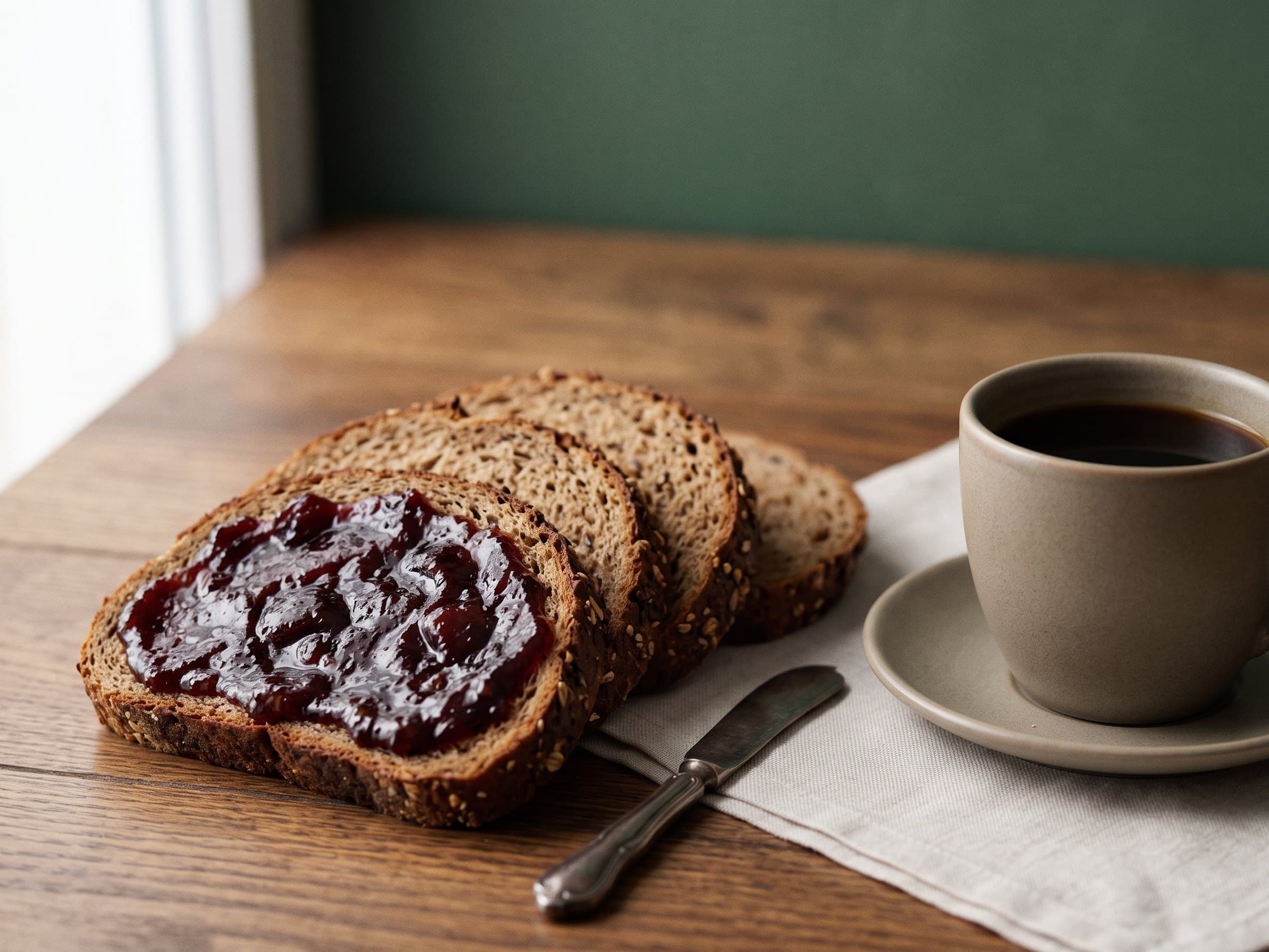
- The sweet shelf: plum jam and other fruit preserves for pancakes, syrnyky and baking.
If you cover each occasion with at least one product, the shelf reads as complete even when it is small.
Core categories and what to look for
Pickles and marinades. Cucumbers first, then tomatoes, then sliced courgettes and mushrooms. Shoppers look for whole, firm vegetables in a clear brine with visible dill and garlic. Note that most jarred Ukrainian cucumbers are pickled in a vinegar-based marinade and sterilised, not lacto-fermented, the label will say мариновані or консервовані. Both styles have an audience; make sure the shelf tag says which one you are selling.
Ready vegetable dishes. Lecho, sauté, aubergines in adjika, mixed-vegetable dishes. These are eaten hot or cold and cross over easily to non-Eastern-European shoppers because the flavours, sweet pepper, tomato, aubergine, are familiar from Mediterranean cooking.
Ikra and adjika. Courgette ikra (often translated as "squash caviar") is a cooked, spreadable vegetable purée; adjika is a hot pepper-and-tomato paste in the Caucasian tradition. Both are category markers: a shelf without ikra does not look Eastern European to the shopper it is meant for.
Beans. Beans in tomato sauce and in a mild "delicate" sauce are an everyday staple, sold in 480–700 g jars and heated as a side or a main.
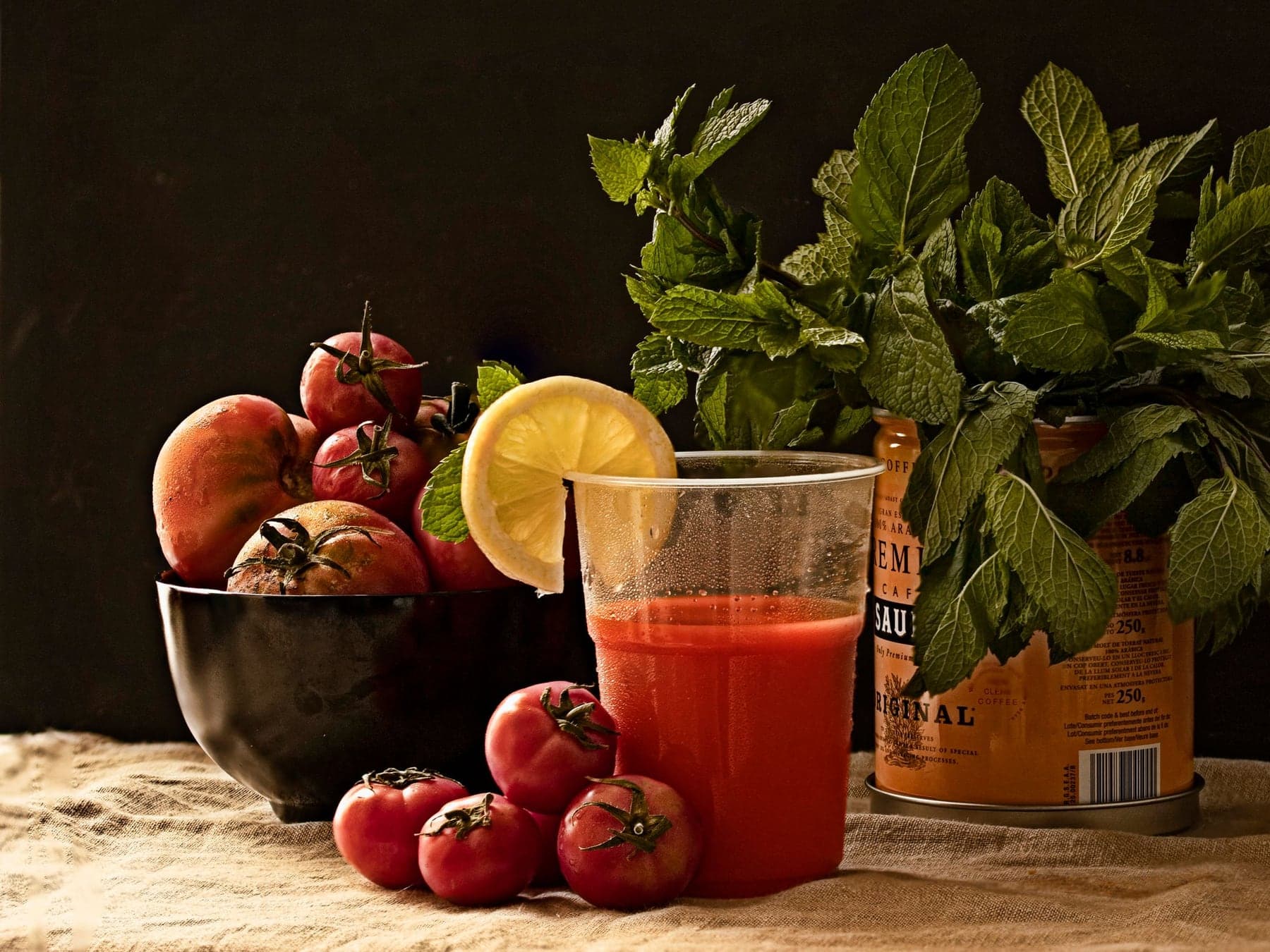
Tomato products. Tomato paste in a 500 g glass jar is a borscht essential; tomato juice with salt is a drink, not a cooking ingredient, and sits with beverages in the shopper's mind.
Jams. Plum is the classic flavour; the 1.2 kg jar is a family format.
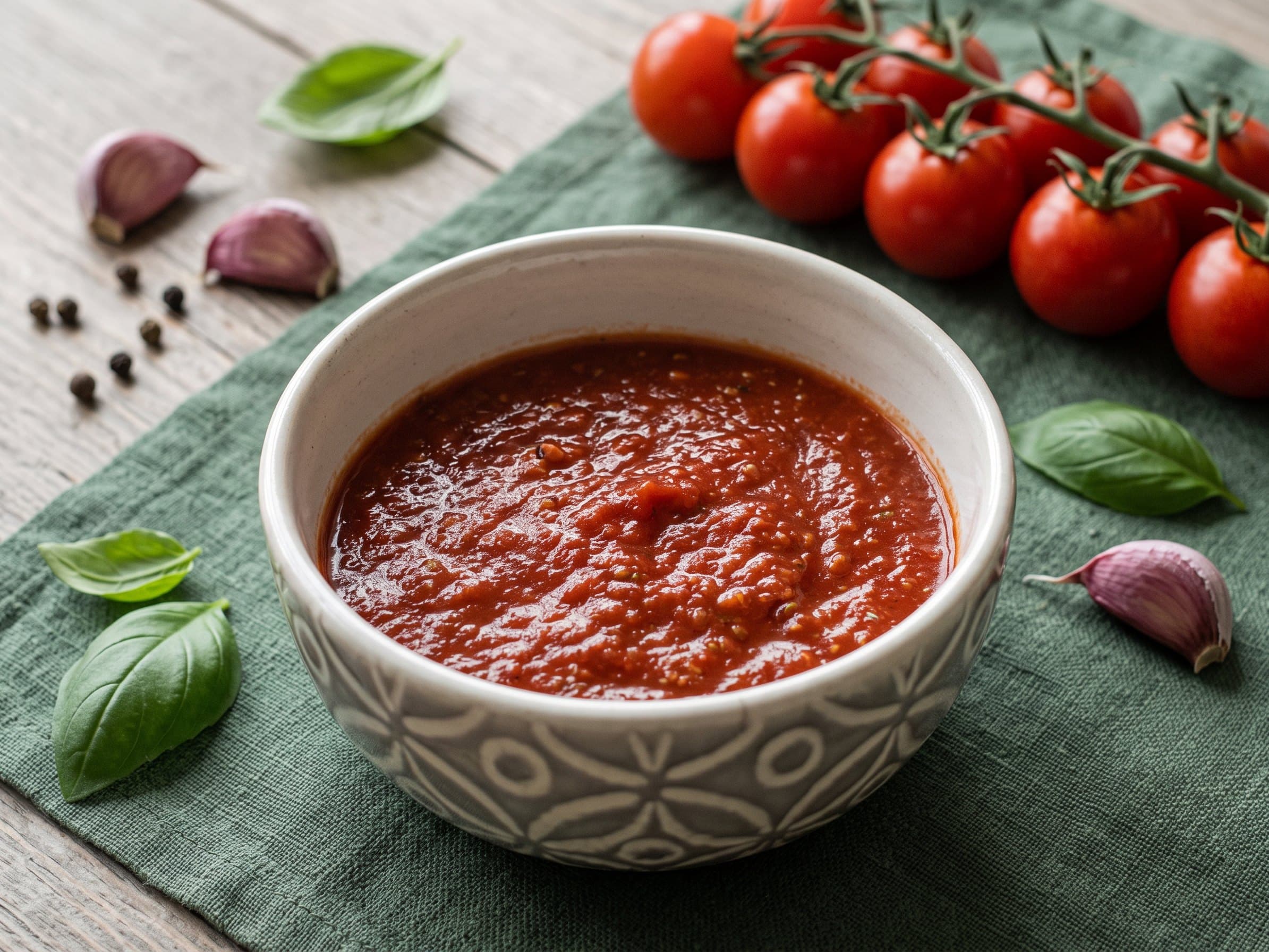
Sauces. Table sauces in tall jars, ketchup-style, pepper-forward, Georgian-style satsebeli, the mildly fruity "Ukrainian" sauce. They replace the condiment a shopper would otherwise buy from the mainstream aisle.
Formats: the right jar for the shelf
Eastern European shoppers buy larger jars than Western European averages, but there is a ceiling. For a retail shelf, 480–700 g is the working range for dishes, sauces and beans; 650 g for ikra; 1–1.2 kg for jam and vegetable salad. Three-kilogram jars of cucumbers and tomatoes are food-service formats, they belong in a cash-and-carry or a restaurant, not on a supermarket shelf, unless you are deliberately serving large households. Our catalogue marks every product with its net weight so that you can filter by format before you ask for samples.
Glass matters. Shoppers in this category want to see the product, and glass is the format they trust from home. Twist-off lids with a safety button are standard; a lid that does not click on opening is the shopper's own freshness test.
Labelling: your duties as the importer
A Ukrainian consumer label is written in Ukrainian and follows Ukrainian law, which is harmonised with EU food-information rules but is not identical in every detail. Under Regulation (EU) No 1169/2011 the product on your shelf must carry, in a language the local consumer understands:
- the legal name of the food;
- the ingredient list with the fourteen EU allergens emphasised;
- the quantity of characterising ingredients where the name or picture highlights them;
- net quantity, date of minimum durability and storage conditions;
- the name and address of the food business operator responsible in the EU, usually you or your importer;
- a nutrition declaration per 100 g.
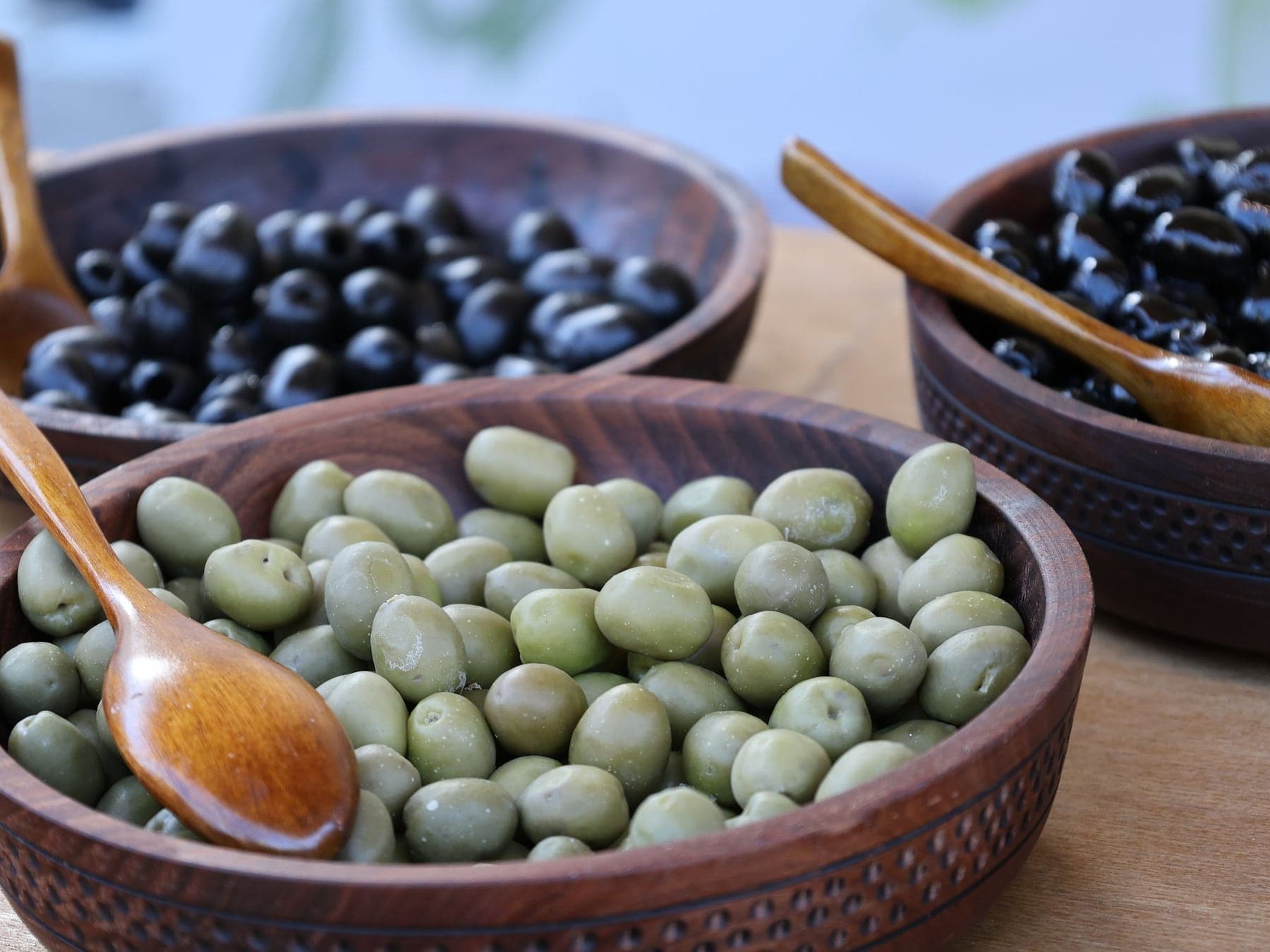
In practice this means a translated label, either printed by the manufacturer for your market or applied as an over-sticker by the importer. Ask the supplier early which option they offer. We supply product specifications and ingredient lists in English and Ukrainian; label artwork for a specific market and its language is agreed per order. Where the raw material of a product comes from a different country than the place of manufacture, our tomato paste is made in Chyhyryn from Turkish tomato raw material, our olives are made in Türkiye and packed in Chyhyryn, the origin wording on the label needs care under Regulation (EU) 2018/775, and we state these facts on the product pages so that nobody is surprised at the labelling stage.
Seasonality and promotions
The category has a pronounced calendar. Demand for pickled cucumbers and the ingredients of mayonnaise-based salads rises before New Year and Christmas, when Olivier salad is on every table, which makes the second half of December the natural slot for a cucumber promotion. Easter is the other occasion built around cold starters. Summer is the quieter season for pickles, fresh vegetables compete, and the busier one for sauces and ready dishes used at barbecues. Jam has its moment in the pancake weeks before Lent.
Plan the promotional calendar around those peaks, and plan the supply chain with them in mind: a Ukrainian supplier ships by road, and December is the month when every importer wants the same cucumbers. Order early.
Merchandising that works
- Block by occasion, not by brand. Pickles together, hot dishes together, spreads and sauces together. Shoppers in this aisle know the categories better than the brands.
- Keep the bilingual shelf tag. A tag with the Ukrainian product name next to the local one halves the time a shopper spends reading labels.
- Face the label, not the lid. Glass jars are bought by sight. Stack no more than two high; broken glass in an aisle is expensive in every sense.
- Use the recipe hook. A small card with a three-step recipe, eggs baked in lecho, pasta with courgette ikra, converts curious local shoppers who would otherwise walk past. Our recipes section is written for exactly this and can be adapted to your own card format.
Choosing the supplier
A shelf is only as reliable as its supply. The questions that separate a stable supplier from an occasional one are the same across the category:
- Is the manufacturer certified to a recognised food safety standard, and can they show the certificate with its scope and validity? Our quality page shows our ISO 22000 and ISO 9001 certificates, both valid until September 2027 and issued by an accredited body.
- Are preservatives declared product by product? Across our catalogue 24 of 27 products are made without added preservatives; the three that contain them are identified on their pages. Avoid any supplier who claims a whole range is preservative-free without showing the ingredient lists.
- Can the supplier provide specifications, allergen statements and batch documents in a language your quality team reads?
- What is the shelf life at dispatch, and how much of it reaches your warehouse? Our products carry two- or three-year shelf lives from the date of manufacture, depending on the product.
- What are the minimum order, pallet configuration and lead time? These are agreed per contract and per product, ask, and expect a written answer rather than a slogan.
- Is private label available if the shelf grows? Our private label page explains how we approach it.
The short version
Cover four occasions, choose 480–700 g glass for the retail shelf, insist on EU-compliant labels in the local language, plan around the December peak, and work with a certified manufacturer who answers in documents rather than adjectives. If you are building or refreshing an Eastern European shelf and want a structured proposal, our retail chains page describes what we offer, and the quote form is the quickest way to start the conversation.